
RESPONDING TO CRISIS THROUGH RESPONSIBLE SECURITY

The 2025 Myanmar earthquake presented one of the most complex operating environments IDG Security has faced in recent years. Amidst large-scale devastation, political instability and severe constraints on mobility and communication, the company was required to protect its staff welfare, maintain essential operations and respond compassionately to the urgent needs of affected communities.
This case study examines IDG Security’s approach during the crisis, highlighting how the company upheld its commitment to responsible security through human rights due diligence, community engagement, sustainable practice and support for economic stability. It showcases the practical application of IDG’s values in an environment marked by uncertainty and demonstrates how responsible security can reinforce resilience for employees, clients and communities alike.
Context: The Myanmar crisis
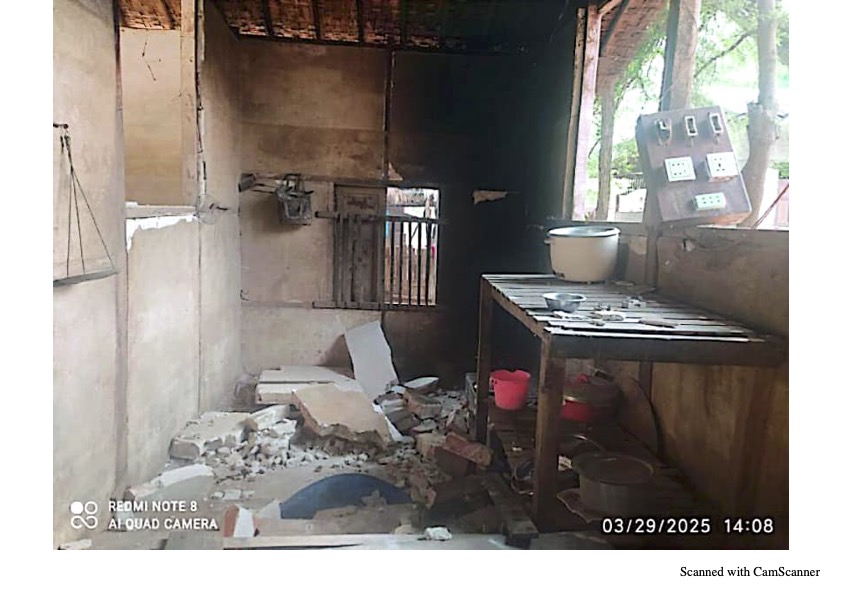
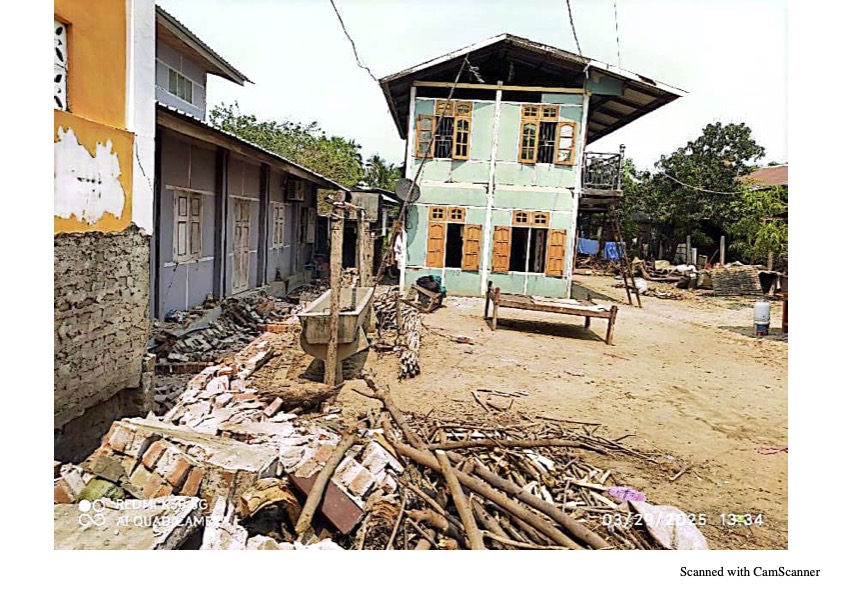
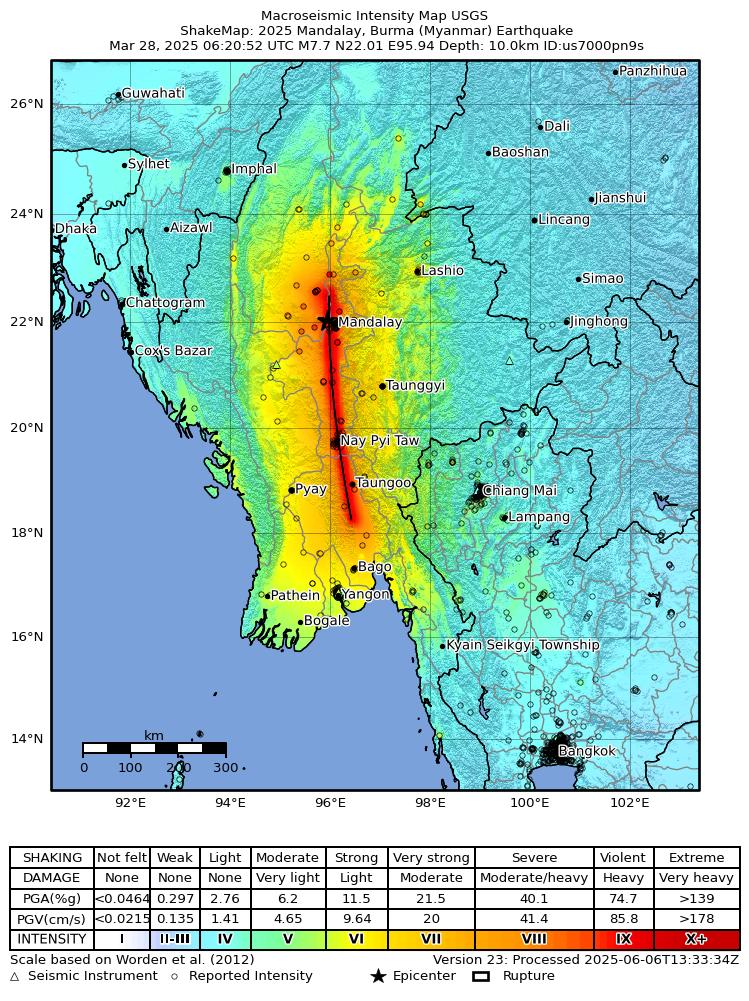 On 28 March 2025, a catastrophic magnitude 7.7 earthquake struck Myanmar’s Sagaing region near Mandalay, reaching Mercalli Intensity X – a level of force capable of destroying even well-constructed buildings. One month later, the United Nations reported 3,700 fatalities, 5,100 people injured and a further 115 still missing. An estimated 6.3 million people were expected to require assistance. Homes, monasteries, schools and critical infrastructure collapsed across the region, displacing many thousands.
The scale of destruction was compounded by Myanmar’s ongoing civil conflict. Many affected areas were already subject to instability, limited state services and restricted access for humanitarian organisations. Entire communities were left without shelter, clean water or essential supplies, and relief efforts faced persistent obstacles from damaged roads, disrupted communications and active conflict zones.
IDG Myanmar, headquartered in Yangon, was operating across various regions at the time of the earthquake. The company’s immediate concern was the safety of its personnel, many of whom lived in affected areas. Fortunately, no employees lost their lives, however several colleagues and their families saw their homes destroyed or significantly damaged, and many were left without access to basic necessities. IDG faced a dual challenge: ensuring the security of sites and clients at a time of heightened risk and responding rapidly to the urgent welfare needs of its own staff and the communities they were part of.
IDG’s crisis response
Human rights initiatives
Internally, IDG’s longstanding focus on employee welfare played a central role. The company maintains policies that support staff dignity and wellbeing, including equitable pay, cultural celebration bonuses, discretionary support for life events, comprehensive insurance, paid maternity and adoption leave, and compassionate leave. These measures underpin a workplace culture built on fairness, respect and solidarity. This foundation is strengthened through IDG’s participation in programmes that promote mental health, financial literacy and team cohesion, alongside initiatives such as SafeHaven and regular sports events.
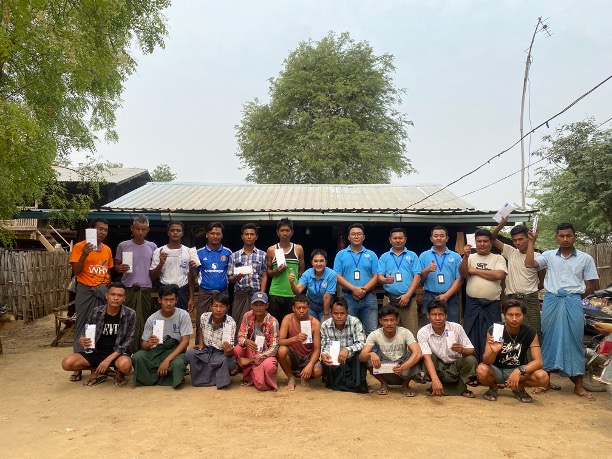
During the aftermath of the earthquake, these commitments translated into practical support. IDG provided emergency relief to affected personnel and families, including dry rations, clean water, essential medicines and financial assistance through the Chairman’s Fund. Welfare representatives maintained regular contact with colleagues who had lost homes or were caring for injured family members. The company ensured that staff were never left without support during one of the most turbulent periods in Myanmar’s recent history.
A key strength of IDG’s response was the Gurkha-inspired ethos of camaraderie and unity that characterises the organisation. This sense of mutual responsibility strengthened internal resilience and enabled teams to navigate the crisis with empathy and discipline. Externally, it enhanced trust among clients and communities, reinforcing IDG’s reputation as a responsible security provider committed to principled conduct even under extreme pressure.
Community engagement
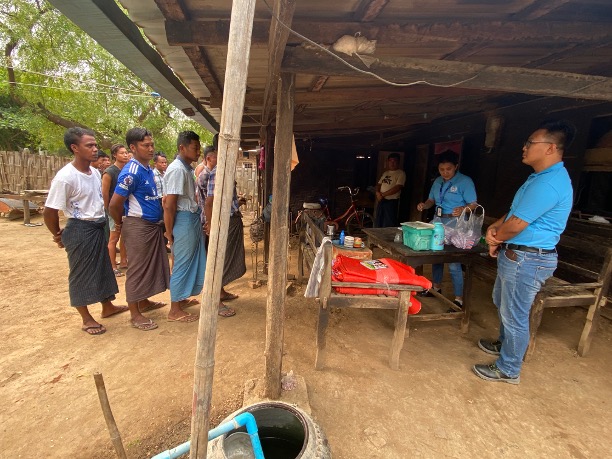
IDG’s approach to community engagement during the crisis focused on practical support, close coordination with local partners and a commitment to meeting needs identified by those most affected. Senior managers visited disaster-hit areas including Mandalay and Tada-U to review damage, speak directly with affected employees and understand community priorities. These consultations helped identify where assistance could be provided most effectively.
IDG also contributed to broader local relief activities by collaborating with community organisations and local leaders. This included distributing supplies, offering logistical support and participating in local coordination efforts aimed at stabilising affected neighbourhoods. The company’s willingness to work alongside local partners strengthened existing relationships and demonstrated a genuine commitment to shared recovery.
Sustainability
During the Myanmar earthquake response, maintaining strict sustainability protocols was not always feasible due to the urgent humanitarian needs and logistical constraints. Nonetheless, IDG took steps to ensure that relief efforts were carried out responsibly wherever possible. This included sourcing supplies from responsible vendors, prioritising local procurement and maintaining waste management practices even when circumstances were challenging.
IDG’s broader sustainability commitments, which emphasise transparency, responsible sourcing and environmental stewardship, guided the company’s approach. While the primary focus was on protecting lives and supporting communities, IDG sought to ensure that its actions did not exacerbate environmental pressures in an already fragile landscape.
Economic stability
In a country already facing economic hardship, the earthquake further disrupted livelihoods and strained local systems. IDG Security’s continued operations provided an element of stability at a time when many businesses were forced to suspend activity.
The company maintained regular employment and ensured timely pay for all staff despite significant operational challenges. This consistency offered critical support to employees and their families, enabling them to manage immediate needs and maintain a degree of financial stability amidst wider economic disruption.
IDG also contributed to the local economy by sourcing relief materials and services from local vendors where possible. While modest in the context of national recovery efforts, these actions reinforced the company’s commitment to responsible business practice and supported economic continuity within its operational footprint.
Evidence of impact
IDG’s response generated clear operational, humanitarian and community-level outcomes. Deploying teams to the affected region enabled rapid, first-hand assessment of damage and cut through early miscommunication, allowing managers to confirm the status of employees, reassure clients and identify immediate risks to sites. At one location that had been completely destroyed, a team of IDG guards evacuated the client while maintaining security coverage to protect remaining assets.
Across operational areas, IDG’s coordination of the purchase and distribution of medical supplies and other essentials ensured that client sites could remain functional for at least seven days without external support. Based on assessments of the damage to employees’ homes, financial assistance through the Chairman’s Fund was provided directly to affected guards to support urgent repairs and ensure their living conditions were safe.
IDG further mitigated post-earthquake risks by issuing clear guidance for staff and clients on aftershocks, unsafe structures, sanitation, disease exposure and emergency procedures. This information, combined with in-person checks and consistent communication, helped stabilise operations and supported both employees and clients during the most critical phase of the disaster.
Conclusion
IDG Security’s response to the 2025 Myanmar earthquake demonstrated the practical value of responsible security in a highly complex and volatile operating environment. The organisation’s human rights commitments were evident in the immediate support provided to employees and their families, while its community engagement was swift, respectful and grounded in local priorities at a time of fragile public confidence. IDG also helped sustain economic stability through continued employment and local procurement, and remained attentive to its environmental responsibilities even under severe operational pressure.
IDG’s actions in Myanmar also reflect a broader organisational pattern. Across the countries in which it operates, the company has consistently extended similar support—providing monthly care hampers to staff during COVID-19, assisting communities affected by the Afghanistan earthquake and deploying teams to remote sites to deliver financial aid to impacted civilians, whether employees or local residents.
Overall, the case proves that responsible security is not only feasible but essential in crisis-affected environments. IDG’s actions demonstrated how a values-driven approach can strengthen resilience for employees, clients and communities amidst extreme crises.
Recommendations
The 2025 Myanmar earthquake offers several lessons for private security companies operating in crisis-affected or unstable environments:
- Strengthen staff welfare systems: PSCs should have clear welfare policies, emergency assistance procedures and communication channels in place before crises occur.
- Maintain human rights standards in emergencies: Crisis conditions must not weaken due diligence. All actions should minimise risks to staff, communities and vulnerable groups.
- Engage communities directly: Consult local leaders and affected employees to ensure support aligns with real needs and does not unintentionally disrupt recovery.
- Support local economies: Where feasible, maintain employment and source goods and services locally to provide stability during disruption.
- Improve crisis preparedness in unstable operating contexts: Reliable communication, staff accountability measures and clear reporting lines help maintain safety and continuity.
- Capture lessons learned: PSCs should document crisis experiences and feed them into improved policies and training.
Sources
Unless otherwise cited, information in this case study regarding IDG Security’s operations in Myanmar and Chairman’s Fund is drawn from personal communications with IDG staff in 2025 and 2026.
Disclaimer
As per the Disclaimer on the homepage, neither the International Code of Conduct Association nor any authors can be identified with any opinions expressed in the text of or sources included in The International Code of Conduct Case Map.