FROM ACCOUNTABILITY TO PREVENTION: SECURING MOZAMBIQUE’S CRITICAL MINERALS
08/07/2026
News Highlights, Update
Mozambique’s extractive sector sits at the intersection of major economic opportunities and complex human rights and security challenges. As demand grows for the minerals needed to power the global energy transition, ensuring that investment benefits communities and does not contribute to insecurity or abuse is increasingly important.
For ICoCA, this means addressing responsible security from two complementary directions: strengthening civil society’s ability to identify and document abuses, while working with companies, security providers, communities and public authorities to identify and prevent risks before they result in harm.
Over the coming year, two EU-supported initiatives will enable ICoCA and its partners to deepen this work in Mozambique, building on engagement already underway across the country. Together, they will strengthen accountability and oversight while investing in prevention, community resilience and more responsible security practices.
National engagement and partnerships
ICoCA has engaged with stakeholders across Mozambique, including regulators, civil society organisations (CSOs) and the private sector. These discussions have highlighted a shared challenge: responsible security cannot be achieved by any one stakeholder acting alone. Stronger regulation and oversight need to be accompanied by responsible corporate practices, a well-regulated security sector and meaningful opportunities for civil society and communities to raise concerns.
This engagement also connects with Mozambique’s wider efforts on Business and Human Rights and the Voluntary Principles on Security and Human Rights, providing a foundation for more sustained work on responsible security and Mozambique’s National Action Plan on Business and Human Rights.
Civil society oversight and accountability
The first EU-supported initiative focuses on strengthening the capacity of civil society organisations to monitor, document and report human rights abuses connected to corporate activities and the use of private security providers.
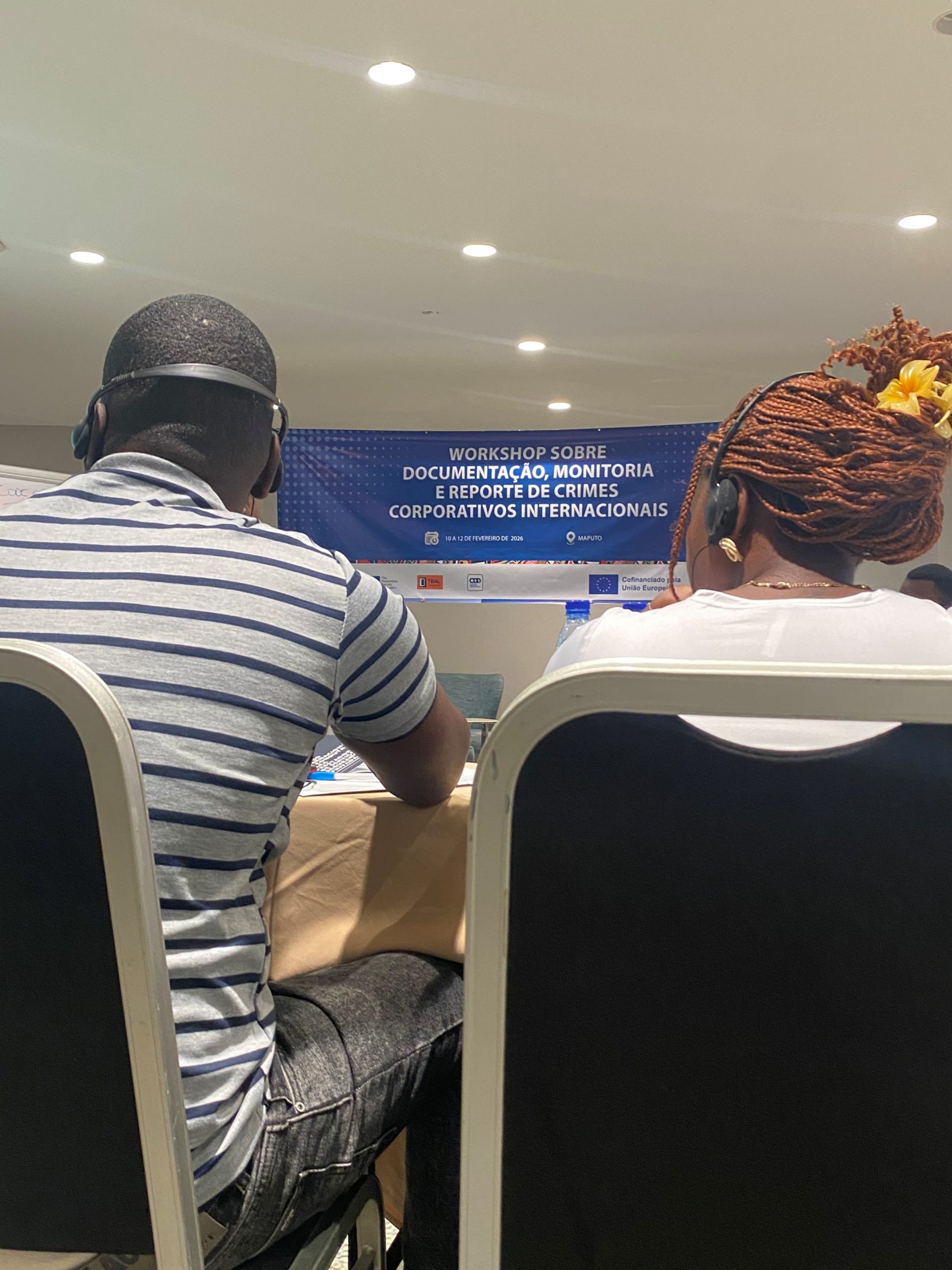
In early 2026, ICoCA brought together Mozambican CSOs for a workshop on documenting and monitoring corporate-related human rights abuses. This marked the beginning of longer-term support for civil society organisations in their role as watchdogs. Continued mentoring will help them assess the human rights and security risks they may face while documenting abuses involving private security personnel.
Financial support will also enable locally led activities and research, including examining the working conditions of private security personnel and related human rights risks affecting high-risk value chains in Mozambique. Looking at issues such as working conditions, training and the challenges faced by security personnel will help build a stronger evidence base for understanding how these factors can affect responsible security provision.
Crucially, this evidence is intended to inform action. Civil society partners will be supported to engage with companies, public institutions and other relevant stakeholders, using evidence generated through the initiative to strengthen dialogue on corporate responsibility, accountability and responsible security in Mozambique.
Addressing risks before they become harm
Alongside this work, ICoCA will focus on mitigating security risks linked to the extraction and trade of critical raw materials in fragile contexts through a second EU-supported project, CRM Secure.
Mozambique is particularly relevant to this work. The country is already a supplier of critical raw materials, including graphite, while mining areas face challenges ranging from illegal mining and organised crime to tensions between communities and companies, alongside complex arrangements involving public and private security actors. Existing research also points to limited trust between some communities and security providers and to the need for stronger consultation, oversight and accountability.
CRM Secure will therefore complement the accountability work already underway by placing greater emphasis on prevention, community resilience and meaningful community engagement. Rather than treating community engagement primarily as a response to problems once they occur, the project will seek to strengthen the structures through which risks can be identified and addressed earlier.
An important part of this approach will be to build on existing solutions for addressing grievances rather than creating parallel mechanisms. Working with communities and local partners, the programme will assess the accessibility and effectiveness of existing grievance and accountability mechanisms, identifying where these can be strengthened or better connected to community-based security incident reporting and dialogue structures.
Local ownership will be central to this approach. Community and civil society actors will not simply be beneficiaries: they will help identify risks, monitor developments and participate in designing locally appropriate responses and training. A Training of Trainers approach will equip local CSOs with knowledge and practical tools they can share with other civil society organisations and community-based actors.
Capacity building will also extend to security actors. The programme foresees Training of Trainers activities for public and private security providers, adapted to the particular challenges of the mining sector and covering issues including human rights, incident reporting and the use of force.
Connecting accountability with prevention
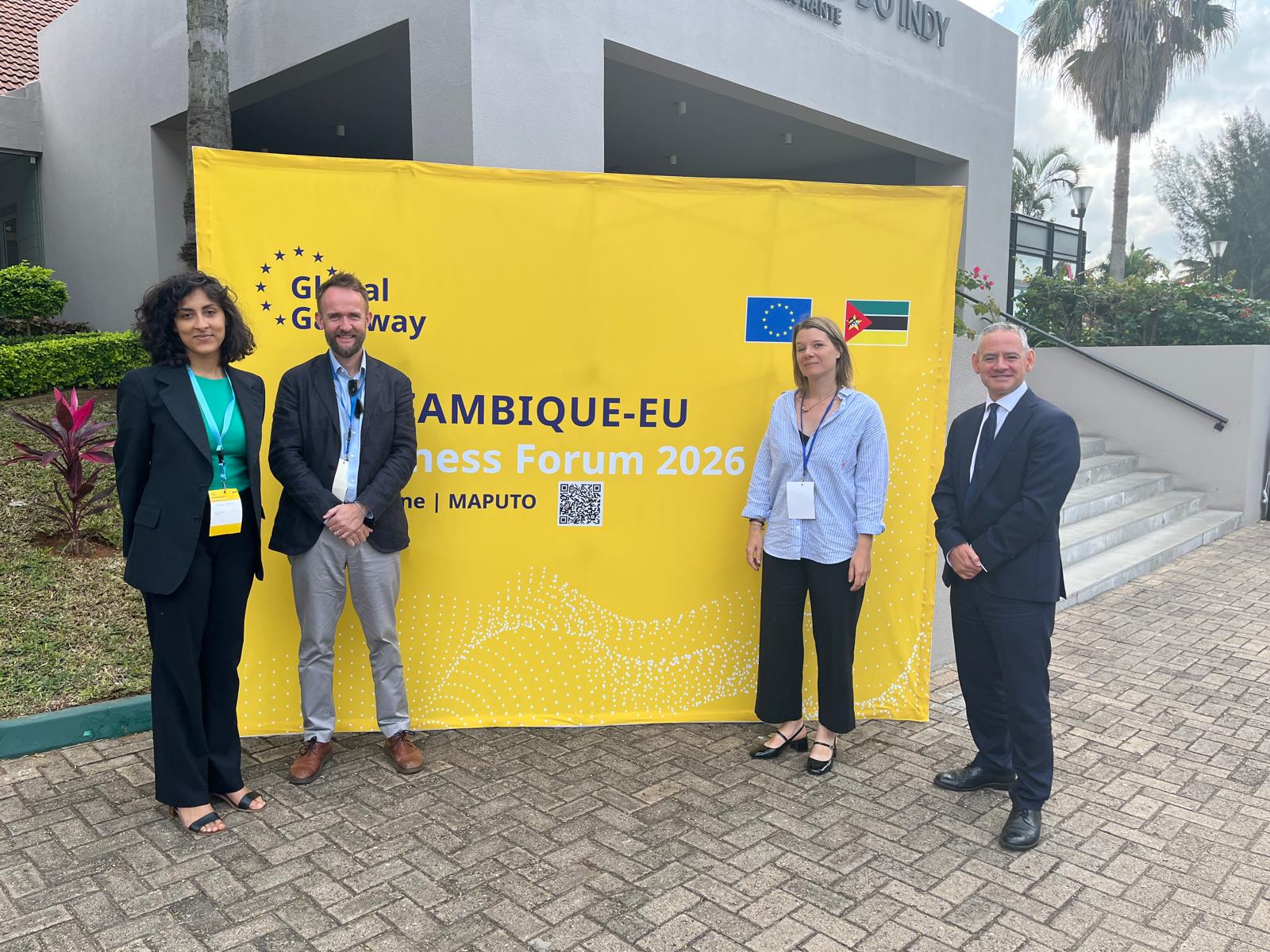
Together, the two EU-supported initiatives provide an opportunity to build a more comprehensive approach to responsible security in Mozambique. One strengthens civil society’s ability to identify abuses, generate evidence and demand accountability. The other seeks to address security risks earlier by strengthening community engagement, grievance mechanisms and the capacity of those involved in providing security.
For ICoCA, connecting these different strands is particularly important because private security providers often sit at the interface between companies and communities. Improving security practices therefore requires action from multiple directions: informed civil society oversight, responsible procurement by companies, stronger regulation, appropriate training for security personnel and effective mechanisms through which communities can raise concerns and participate in decisions that affect them.
By linking accountability with prevention, and national policy with realities on the ground, Mozambique has an opportunity to demonstrate what responsible security can look like in practice and how it can contribute to critical mineral supply chains that are not only secure, but also sustainable, rights-respecting and trusted by the communities on which they depend.
By entering this website you agree that we use cookies in order to understand visitor preferences and keep improving our service.

 Civil society oversight and accountability
 Connecting accountability with prevention