
STRENGTHENING CIVIL SOCIETY ADVOCACY IN INTERNATIONAL DECISION-MAKING PROCESSES
Civil society organisations (CSOs) play a critical role in advancing accountability, promoting human rights and shaping responsible security practices. Recognising this, ICoCA convened some of its African CSO members in Kenya in March 2026 for a dedicated advocacy training aimed at strengthening their engagement in international decision-making mechanisms (UPR, Human Rights Council, etc). The initiative reflects ICoCA’s continued commitment to amplifying local voices in global discussions and contributes directly to its strategic objectives on multi-stakeholder engagement and responsible security governance. It also supports ICoCA’s goal of promoting the global adoption of higher industry standards by strengthening in-country presence and enhancing human rights due diligence across regions.
Building pathways to international engagement
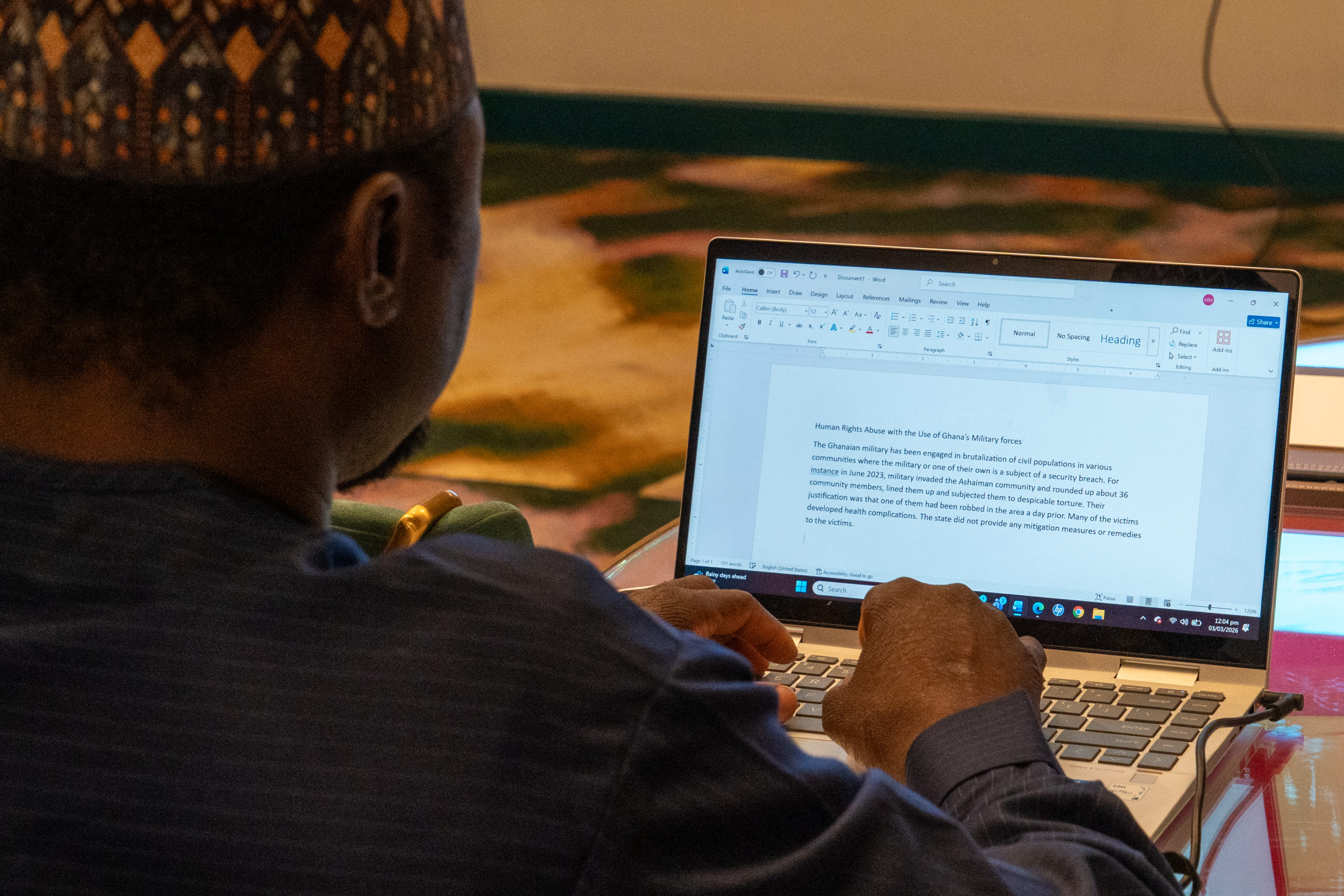
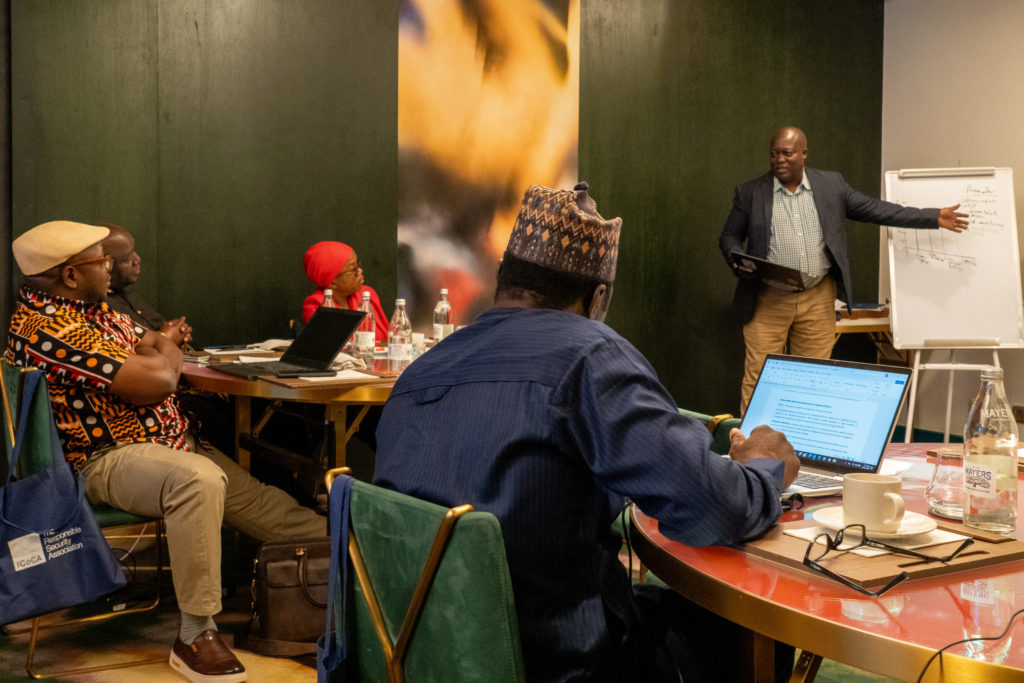
The training focused on demystifying key United Nations mechanisms, including the Universal Periodic Review (UPR), the Human Rights Council (HRC) and relevant UN Working Groups. Through a combination of theoretical sessions and practical exercises, participants developed a clearer understanding of how these platforms function and how they can be effectively leveraged to advance advocacy priorities. By strengthening the capacity of locally based CSOs, the training contributes to ICoCA’s in-country engagement efforts and supports more robust, context-specific human rights due diligence practices.
Importantly, the workshop moved beyond conceptual discussions to provide hands-on tools. Participants worked on developing concrete advocacy outputs, including draft UPR submissions, HRC statements and targeted policy recommendations. Emphasis was placed on crafting clear, evidence-based messaging and identifying strategic entry points for engagement with UN missions and experts in Geneva.
Collaboration and peer learning in action
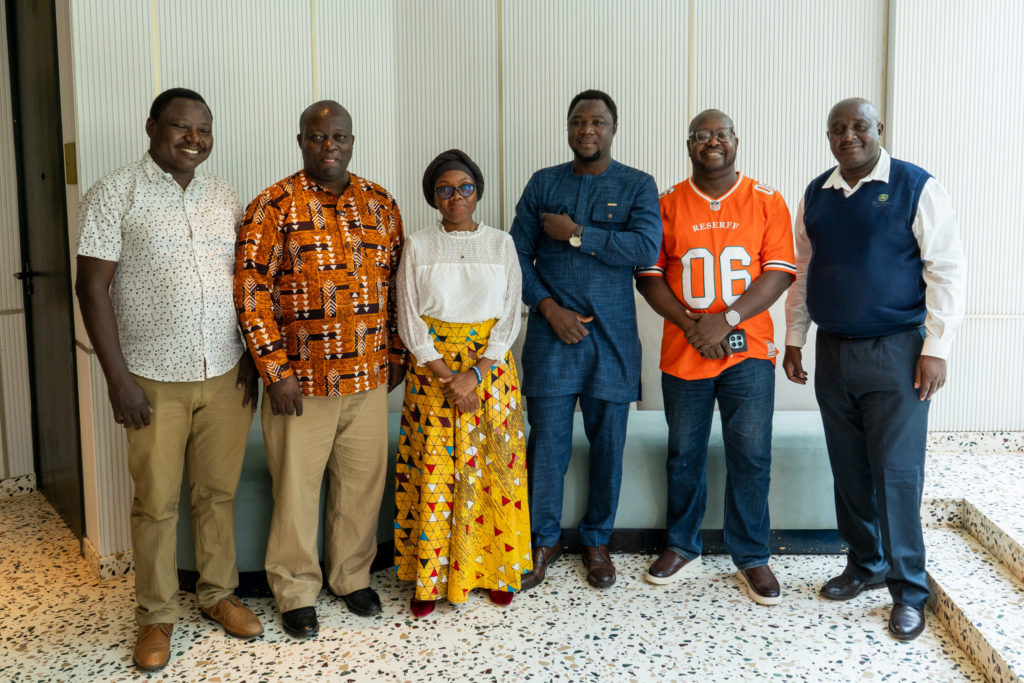
A key strength of the training was the space it created for peer exchange and collaboration. Bringing together organisations working across diverse contexts in Africa, the workshop enabled participants to share experiences, challenges and good practices related to security governance, corporate accountability and human rights.
This collaborative approach reinforced the importance of collective advocacy. Participants highlighted that coordinated efforts and mutual support can significantly enhance the visibility and impact of civil society contributions in international forums, particularly within the complex and competitive landscape of international Geneva.
Bridging local expertise and global processes
At the core of the initiative was a recognition that international policy discussions are most effective when they are informed by the perspectives of those directly affected on the ground. By equipping CSOs with the knowledge and tools to engage in global mechanisms, ICoCA aims to bridge the gap between local realities and international decision-making spaces.
The training also underscored the value of grounding advocacy in lived experiences. Participants brought forward context-specific insights that can enrich global debates on the regulation and oversight of private security actors, ensuring that policies are both relevant and responsive to real-world challenges. This approach strengthens the link between in-country expertise and global standard-setting processes, effectively pursuing ICoCA’s goal 1 of its strategic plan, “promoting the global adoption of higher industry standards by establishing a strong in-country presence and enhancing human rights due diligence across various regions”.
Turning skills into impact
This initiative highlights ICoCA’s identity as a multi-stakeholder platform where governments, industry and civil society come together to shape more accountable and effective security governance. Inclusive dialogue is central to this approach, delivering stronger outcomes when local actors are meaningfully involved. By strengthening the capacity of CSOs to engage in international processes, ICoCA is helping ensure that regulatory discussions are informed by on-the-ground realities and diverse perspectives.
The Kenya training marks an important step in building sustained engagement with international human rights processes. As participants continue to apply the skills and strategies developed during the workshop, ICoCA is well positioned to support a growing community of civil society actors bringing local expertise into global conversations and advancing accountability across the private security sector.