
JUST TRANSITION THROUGH A COMMUNITY-BASED SECURITY MODEL IN ALBANIA
In February, ICoCA visited ARB Security in Tirana, Albania, alongside several renewable energy project sites where the company operates. The visit aimed not only to recognise ARB Security’s achievements, but also to document best practice in the field.
Recognising leadership in responsible security
On 3 February, ICoCA presented the Responsible Security Affiliate Award to ARB Security in Tirana, in the presence of representatives from the Swiss Embassy and the British Embassy.
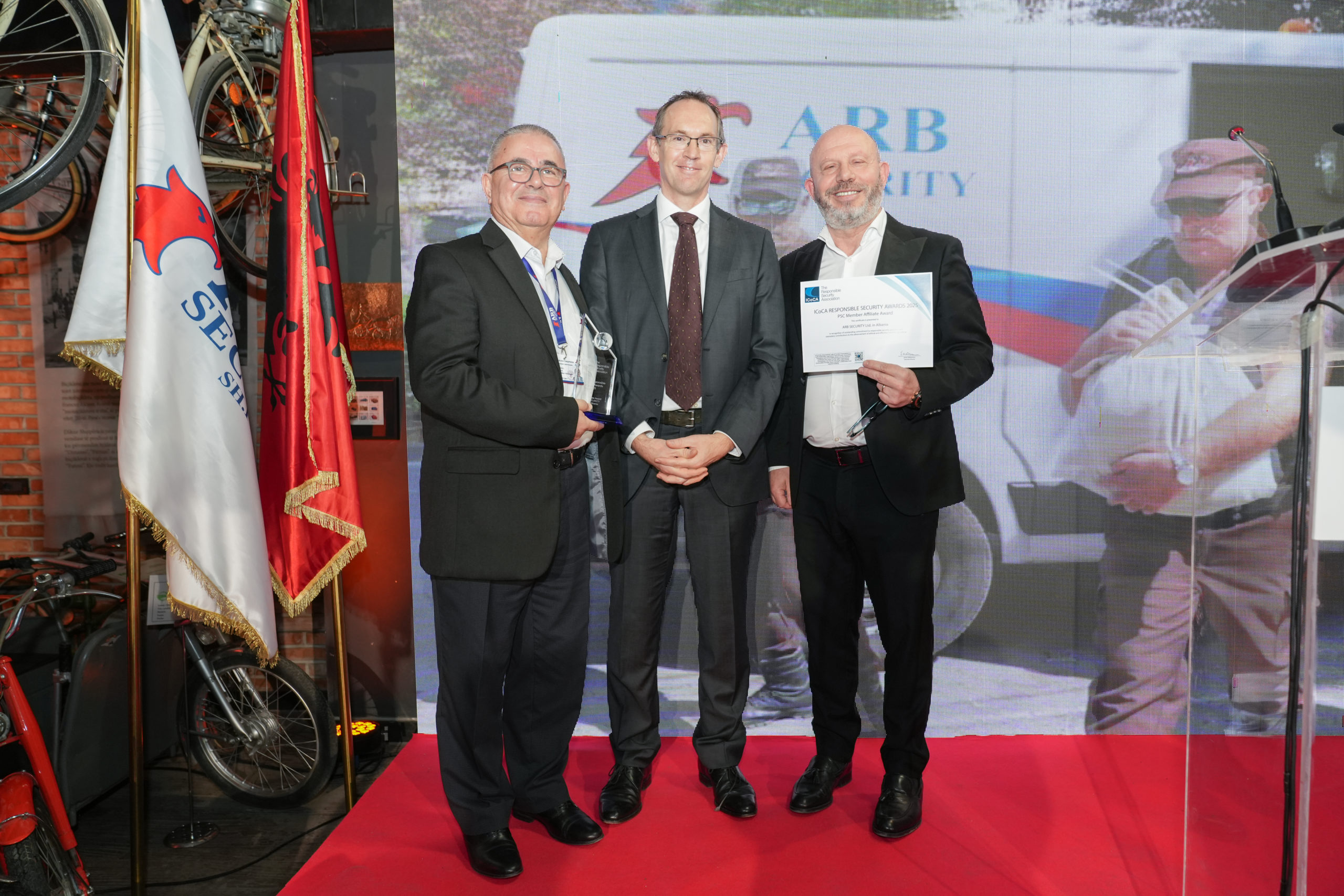
ARB Security is the 2025 recipient of this award in recognition of its contributions to Strategic Goal 3: Just Transition under ICoCA’s 2024–2030 Strategic Plan. A just transition calls for a fair and inclusive shift to a greener economy, creating opportunities while ensuring that no communities are left behind.
As the renewable energy industry continues to build toward a lower carbon environment, its intersection with private security and human rights cannot be ignored. ARB Security works with some of Albania’s leading renewable energy suppliers, including the Norwegian company Statkraft and the French company Voltalia. Through its community-based security (CBS) model, the company demonstrates how private security providers can support both sustainable development and constructive relationships with local communities, while contributing to a just transition.
During the visit, ICoCA met ARB Security personnel at Statkraft’s Banjë Hydropower Plant on the Devoll River and at Voltalia’s Karavasta Solar Park. These site visits provided an opportunity to engage directly with local stakeholders and security personnel, and to better understand the impact of ARB Security’s approach within surrounding communities.
From tension to trust with a Community-Based Security Model
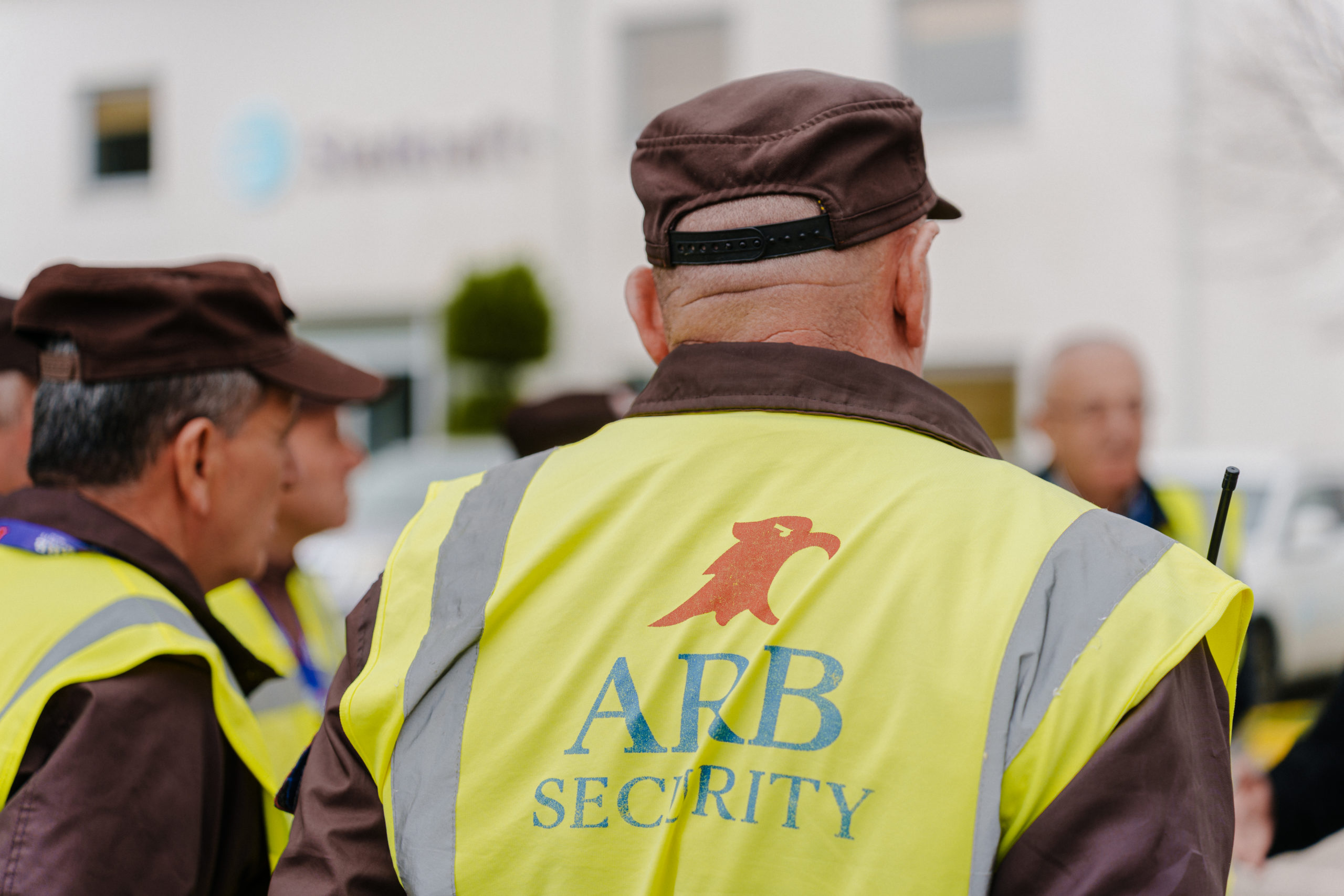
ARB Security’s CBS model emerged amidst early operational challenges. While providing security for facilities operated by Albanian Refining and Marketing Oil (ARMO) in 2009, the company initially deployed guards commuting from Tirana. These personnel were often perceived by residents as outsiders and as representatives of corporate authority, rather than neutral actors. During the construction phase, tensions escalated into protests and unrest. Security personnel encountered resistance, including verbal harassment and obstruction, reflecting a lack of trust between the community and the project.
However, when ARB Security made the shift to hiring 90% of their security personnel locally, the alteration produced notable change. The familiar faces of guards from the surrounding area garnered more trust than those from Tirana. They also came equipped with preexisting knowledge of local culture and tradition, which ARMO and ARB Security incorporated into their decision-making.
As a result, security operations became more effective and more widely accepted, demonstrating the value of embedding security provision within the communities it serves.
Beyond protection: security as a mediation
While the shift to local hires is foundational to the CBS model, another key element contributing to the peaceful management of protests surrounding ARMO was the contents of ARB Security training.
The CBS model highlights the dual roles of security personnel: first to protect physical project spaces and equipment, and second to act as peaceful mediators when grievances or misunderstandings arise with local communities. For this reason, ARB Security guards undergo extensive training on topics such as deescalation, crisis management and negotiation, with a heavy emphasis on human rights standards as in accordance with the International Code of Conduct.
In the case of the protests towards ARMO, training on peaceful and ethical protest management alongside active communication allowed guards to manage protests without harm to people or equipment.
Field insights: renewable energy projects in practice
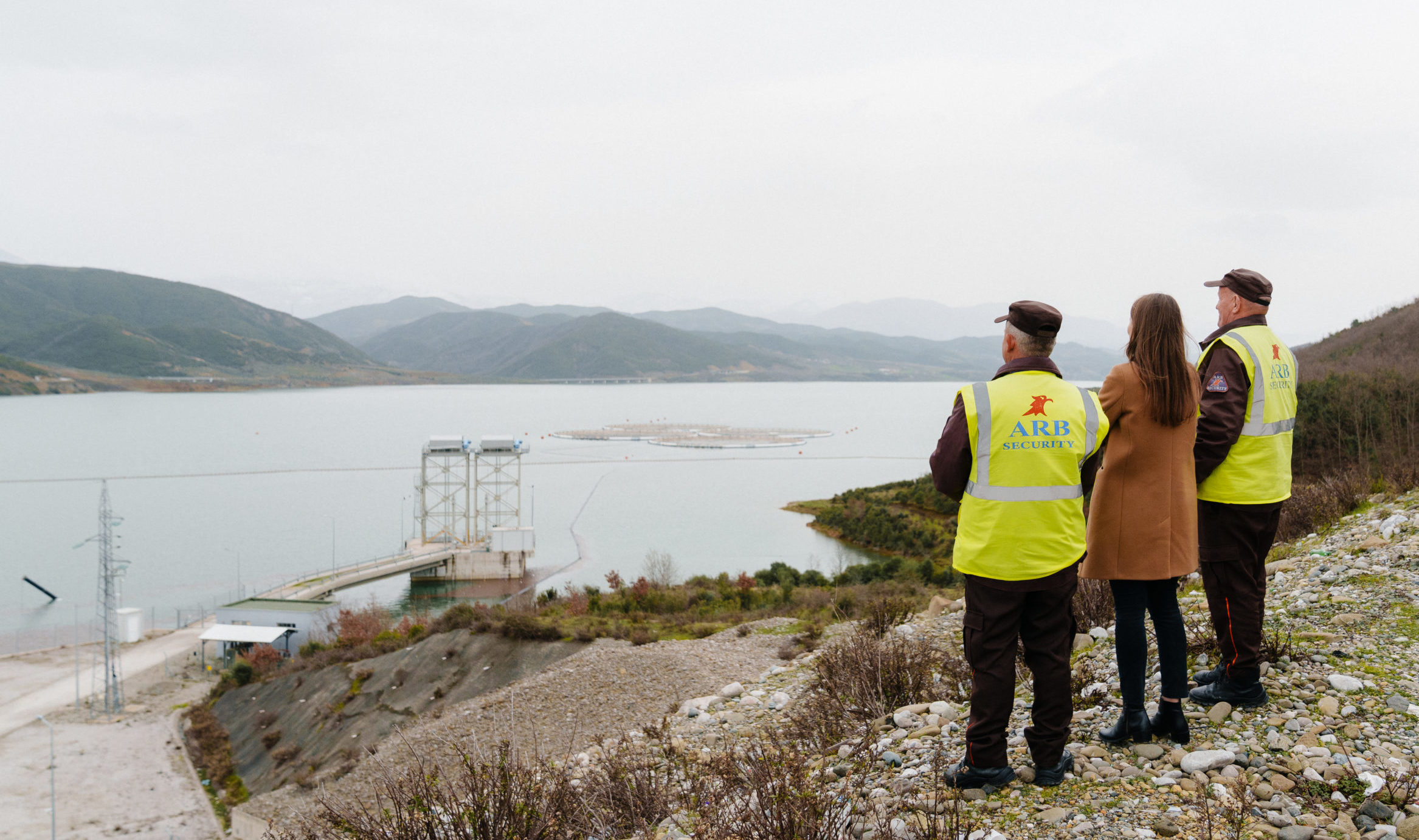 Banjë Hydropower Plant
ICoCA visited Statkraft’s Banjë Hydropower Plant, which generates 255 gigawatt hours annually, on the Devoll River south of Tirana. The hydropower plant is an important contributor to Albania’s renewable energy, however the changes in landscape and safety concerns for youth and children living near the construction zone were initially sources of tension during the construction phase in 2013. Security personnel described how their role evolved in response to these concerns. Through relevant training, regular engagement and open communication, they helped to address grievances and build trust. One security guard described their role as that of a “social sensor”, acting as a first point of contact for community feedback. Both guards highlighted the communicative aspects of their roles as being crucial to the hydropower plant’s and ARB Security’s constructive relationship with the community.
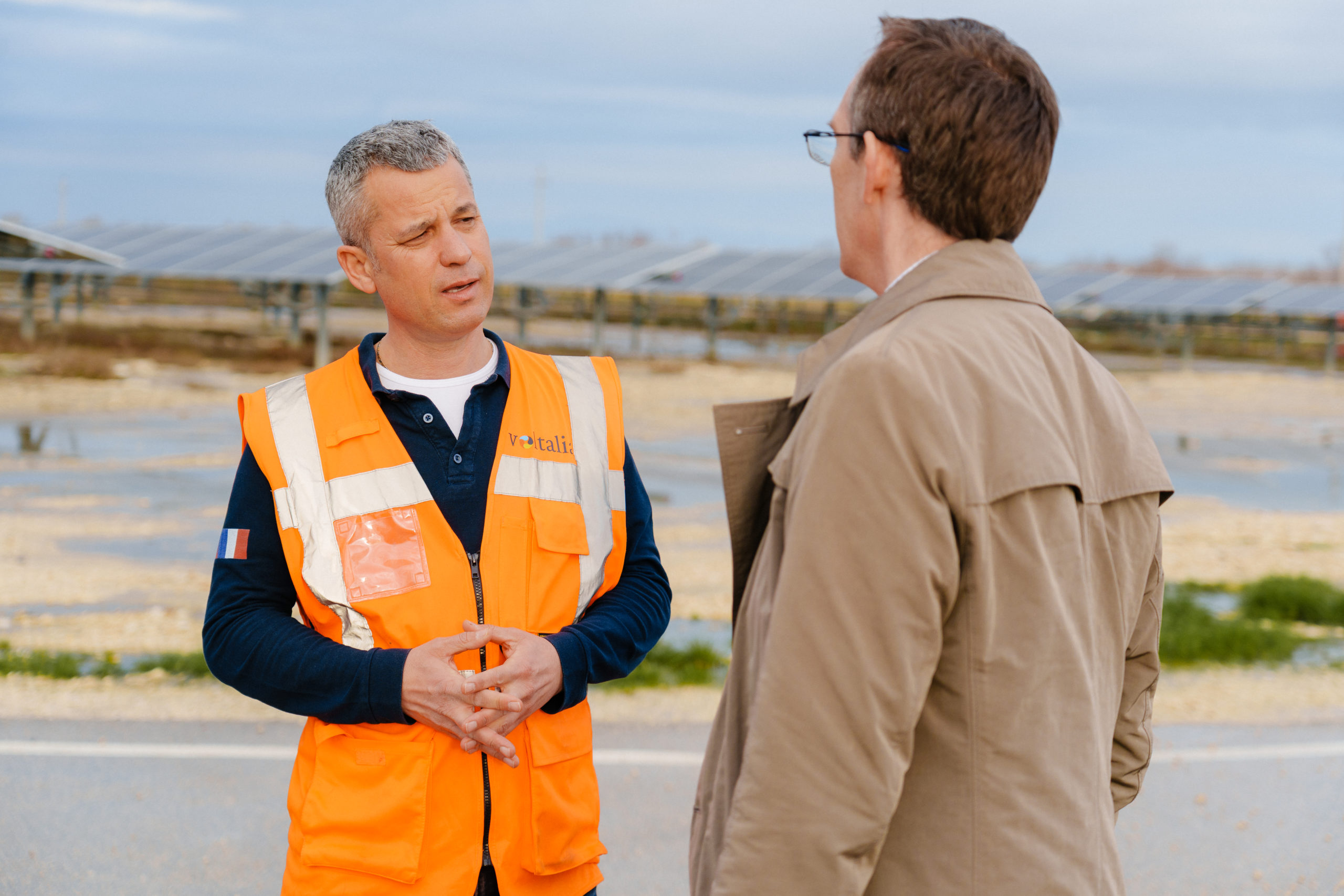
Karavasta Solar Park
At Voltalia’s Karavasta Solar Park, two hours outside Tirana, ICoCA observed similar dynamics. The site, which spans nearly 200 hectares, is the largest solar park in the Western Balkans. The project is situated in a region where land is traditionally managed through communal agricultural practices. This initially led to disputes over land use and leasing arrangements. Here again, locally recruited security personnel played a key role in facilitating communication between stakeholders, as their familiarity with local context and relationships enabled more effective dialogue and helped to reduce tensions. Today, engagement remains ongoing and constructive. One example is the agreement allowing local shepherds to graze their herds within the solar park, demonstrating how practical, community-sensitive solutions can emerge through cooperation and mutual understanding.
ARB Security’s community-bases approach demonstrates how private security companies can not only coexist with but also mutually benefit local communities. Because of local guards’ preexisting social network and cultural awareness, ARB Security can achieve greater social legitimacy among locals while also integrating their concerns more effectively into decision-making. During our visits to renewable energy projects in Albania, ICoCA witnessed ARB Security’s community-based security model in action and heard directly from those implementing it. ARB Security’s approach and support for a just transition serve as a promising example of the beneficial role private security companies can play in their surrounding communities while advancing a greener and more inclusive economy. A full case study exploring these practices and lessons learned will be published in the coming weeks.