
Extractives
ICoCA’s focus on the extractives sector is driven by the realisation that responsible security provision is essential for reliable production and supply of critical and strategic minerals and resources, which are critical for the economic and national security of both industrialised and developing countries.
Promoting responsible resource practices
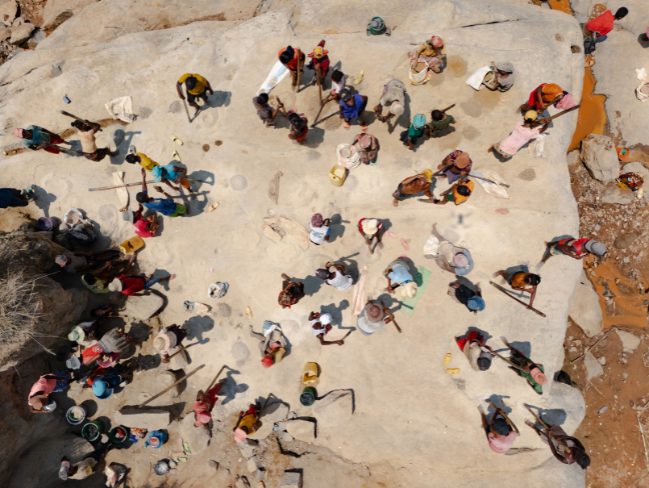
Mineral and resource supply chains are associated with significant Environmental, Social and Governance (ESG) harms, particularly in high-risk contexts. These include human rights abuses, biodiversity loss, deforestation and corruption, all of which can drive conflict and threaten the supply of critical minerals and resources.
Responsible business conduct is therefore essential to secure sustainable and resilient access to these critical and strategic minerals* and resources**. This is reflected in an increasing number of national strategies. Governments are committing to improved governance, greater supply chain transparency and wider adoption of responsible business practices that protect the local environment and surrounding communities. Such practices include heightened expectations around human rights due diligence and operational transparency.
Private security risks
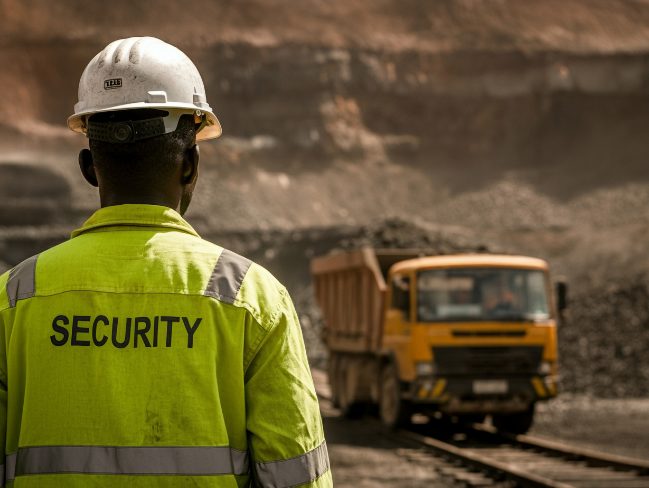
Private security providers play a central role in the extractives sector, protecting mines, well sites, processing facilities, ports and transport corridors. This is particularly important in high-risk environments where state security capacity is limited or contested.
Excessive use of force, intimidation of communities whose livelihoods depend on the same land and resources, abuses against protesters and failures to respect Indigenous rights can rapidly escalate into conflict. When private security providers are inadequately regulated, trained or overseen, they can directly erode the social licence to operate, jeopardise extractive operations, disrupt supply chains and undermine investments.


Responsible security provision
Responsible private security practices act as both a risk mitigator and a resilience multiplier across extractive industry supply chains. When security providers are properly selected, trained and governed, they can help de-escalate tensions, support lawful community engagement, protect human rights and prevent disruptions. This strengthens the social licence to operate, stabilises production, secures transport routes and aligns operational realities with policy commitments.
For governments, these practices support the implementation of critical and strategic mineral and resource strategies by reducing geopolitical, social and reputational risks. For companies, they enhance compliance with ESG and due diligence obligations. For investors, they reduce volatility and improve long-term value preservation. For downstream purchasers of metals or minerals and for smelters and refiners, this provides assurance that communities are being respected in accordance with industry standards and responsible sourcing policies. Responsible private security is therefore a linchpin for resilient supply chains, sustainable practices and successful investments, rather than merely a cost of doing business.
ICoCA’s work in extractives
ICoCA is the only international multi-stakeholder organisation that sets and oversees standards for private security companies in high-risk and complex environments. It provides practical solutions at the intersection of security, human rights and extractive supply-chain governance.
In line with Goal 3 of its 2024-2030 Strategic Plan, ICoCA is working to integrate responsible security practices into decision-making frameworks by collaborating with:
-
Policy-makers, to embed security governance into responsible sourcing criteria, strategic projects and public financing mechanisms
-
Companies, to include private security oversight into industry standards, ESG, human rights due diligence and supply-chain risk management
-
Investors and lenders, to treat security governance as a core factor in project evaluation and portfolio risk

ICoCA and the Voluntary Principles on Security and Human Rights
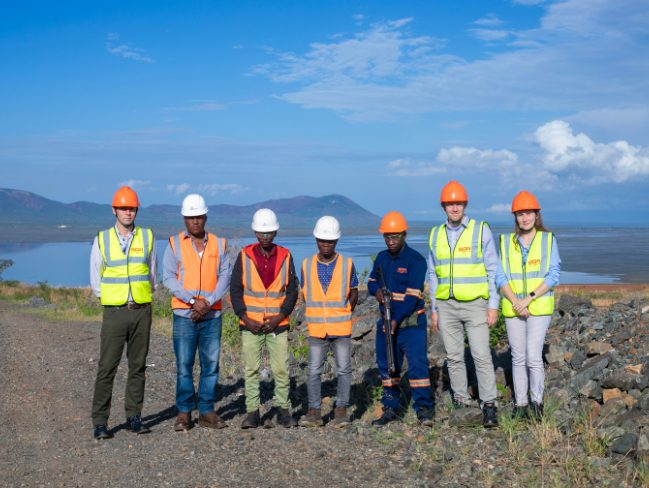
The Voluntary Principles on Security and Human Rights (VPSHR) and the International Code of Conduct provide complementary frameworks for addressing human rights risks related to security provision. The Voluntary Principles Initiative promotes the implementation of the VPSHR, particularly in the extractives sector, while ICoCA helps translate these principles into practice by verifying that private security providers adhere to the International Code of Conduct.
ICoCA observers
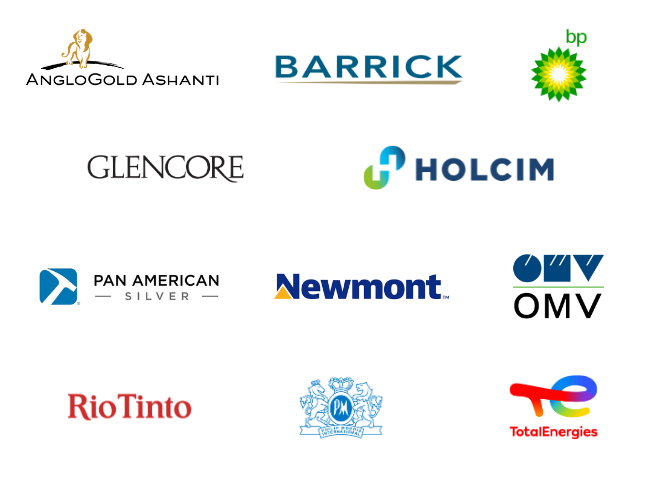
ICoCA is working with a growing group of extractives companies to promote responsible security practices in their supply chains.

Case studies
ICoCA documents examples of best practice in security governance in the extractives sector. The Geita Gold Mine (GGM) case study highlights seven key factors that have strengthened the relationship between AngloGold Ashanti’s GGM and the surrounding community. The innovative, integrated security arrangement at GGM has been particularly successful, especially given the challenging security situation a decade ago.
*Critical minerals, including cobalt, copper, aluminium, lithium, nickel, graphite and rare earth elements, are essential for the electrification of energy systems and the wider economy – from batteries, renewable energy systems, powerlines and semiconductors to advanced manufacturing and defence technologies. Strategic minerals include gold, a key resource for producer countries and central bank reserves; coal, used in power generation and steel production; and various minerals required for the defence industry.
**Oil and gas will remain strategic resources for the foreseeable future, powering transportation, utilities and industrial manufacturing – while thousands of everyday products are derived from petroleum. Wood and wood products are valued for their renewable properties and increasing use in construction and manufacturing. Agricultural products are essential for food security and national stability, and gemstones are regarded as strategic resources by producer countries and for wealth preservation.