
SHAPING PRIVATE SECURITY GOVERNANCE IN THE AMERICAS
ICoCA continues to expand its presence in the Americas, notably through strengthened engagement with the Organization of American States (OAS). This collaboration has supported growing regional interest in the Association, reflected in an increase in government membership, with Uruguay joining in 2024, followed by Belize in late 2025 and Panama in early 2026.
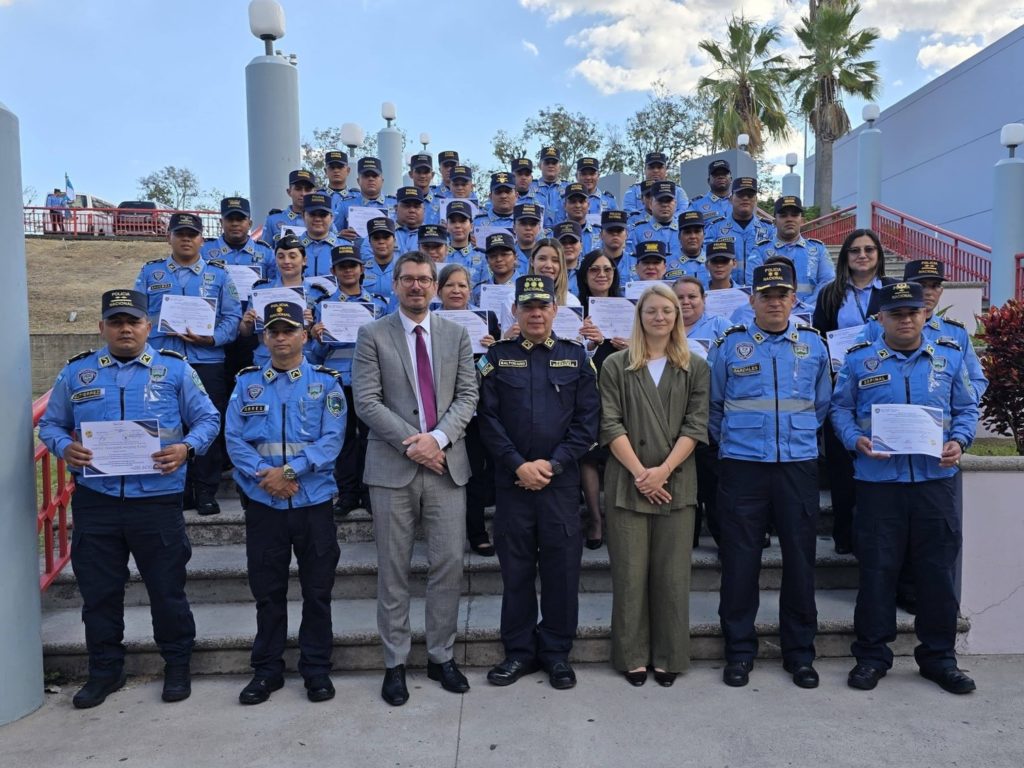
In this context, ICoCA’s visit to Panama and Honduras in March 2026 contributed to advancing its regionalisation strategy and reinforcing engagement on responsible private security governance across the region.
The private security landscape in Latin America
The private security sector in Latin America operates in complex environments, particularly in relation to large-scale extractive and agribusiness activities such as oil, gas, mining, palm oil and banana production. These activities can generate tensions with local communities, often linked to land use, environmental impacts and consultation processes. In some contexts, limited law enforcement capacity and political instability may also contribute to an increased reliance on private security providers.
Within this environment, concerns have been raised regarding oversight, accountability and excessive use of force by private security personnel on local populations. Improving industry standards and promoting responsible business practices in the region remain key priorities.
ICoCA seeks to incentivise clients of private security companies to prioritise providers committed to respecting the human rights principles set out in the Code. In this context, member governments play a key role in supporting this objective by promoting responsible providers that demonstrate human rights due diligence and by strengthening regulatory frameworks.
Deepening engagement through Panama’s membership
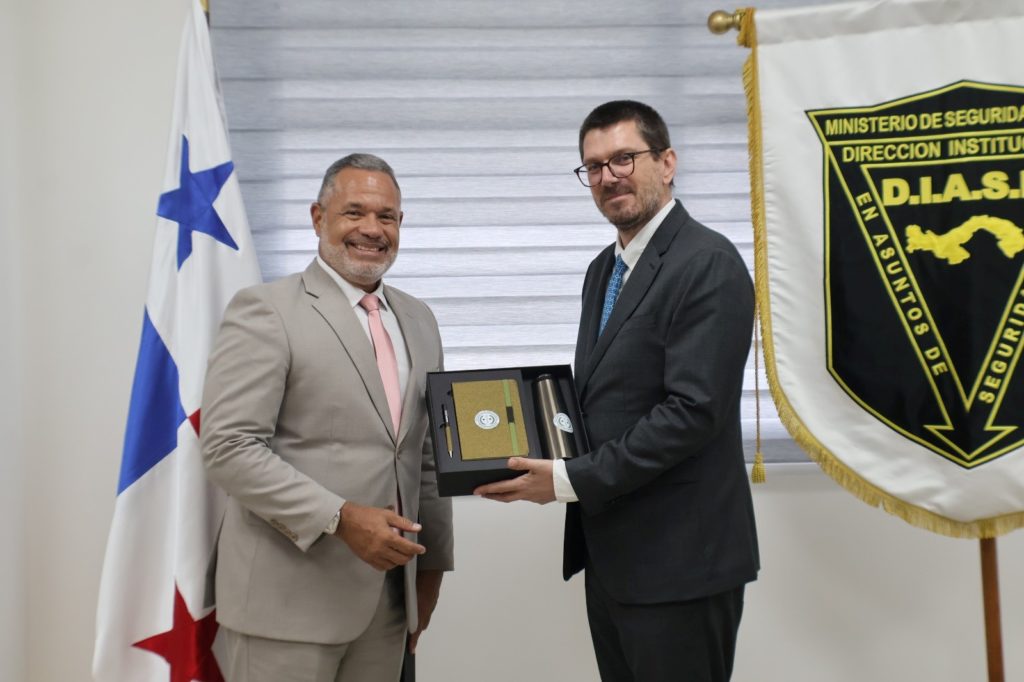
On 9 March, ICoCA travelled to Panama City with the Geneva Centre for Security Sector Governance (DCAF) to mark the country’s membership. During the visit, ICoCA and DCAF met with the Director of the Dirección Institucional el Asuntos de Seguridad Pública (DIASP), Panama’s national regulator, as well as representatives of the country’s main private security sector association.
Discussions highlighted Panama’s commitment to strengthening oversight and standards in the private security sector, with special focus on private maritime security, weapons management, the responsible use of force and the implications of emerging technologies for private security operations.
Panama’s membership opens exciting pathways for closer regional collaboration. Expanding ICoCA’s network of member governments in the Americas supports the implementation of international standards adapted to national contexts. This visit marked an important step in consolidating engagement with national authorities and deepening dialogue on responsible private security governance in the region.
Translating standards into practice in Honduras
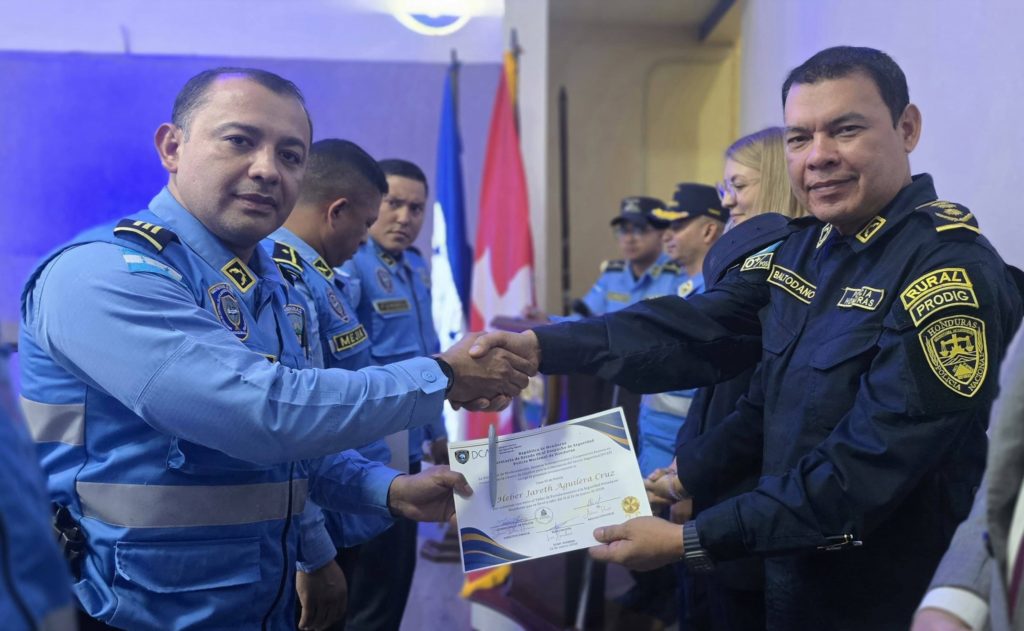
Building on this engagement, ICoCA then visited Honduras to deliver a tailored training programme in partnership with DCAF for the National Police’s Dirección de Control de los Servicios Privados de Seguridad (DICSPS). The training combined technical sessions with practical guidance on:
- States’ international and legal obligations under international humanitarian and human rights law in relation to private security operations
- Responsibilities and accountability of PSCs and their personnel
- Good practices for licensing, registration, inspection and oversight
- Strengthening monitoring and enforcement mechanisms
During the visit, ICoCA and DCAF also engaged with government stakeholders to support effective regulation, while also connecting with PSCs, including ICoCA member Security SIS, to encourage responsible business conduct.
As the private security sector in Honduras continues to expand rapidly and oversight frameworks are still developing, this multi-level engagement contributed to strengthening capacity and promoting accountability.