
NEW BOARD DIRECTOR: HASAN ALARAJI
The ICoCA Board of Directors proudly announces the election of Hasan Alaraji as a new CSO pillar Board Director, effective December 2025.
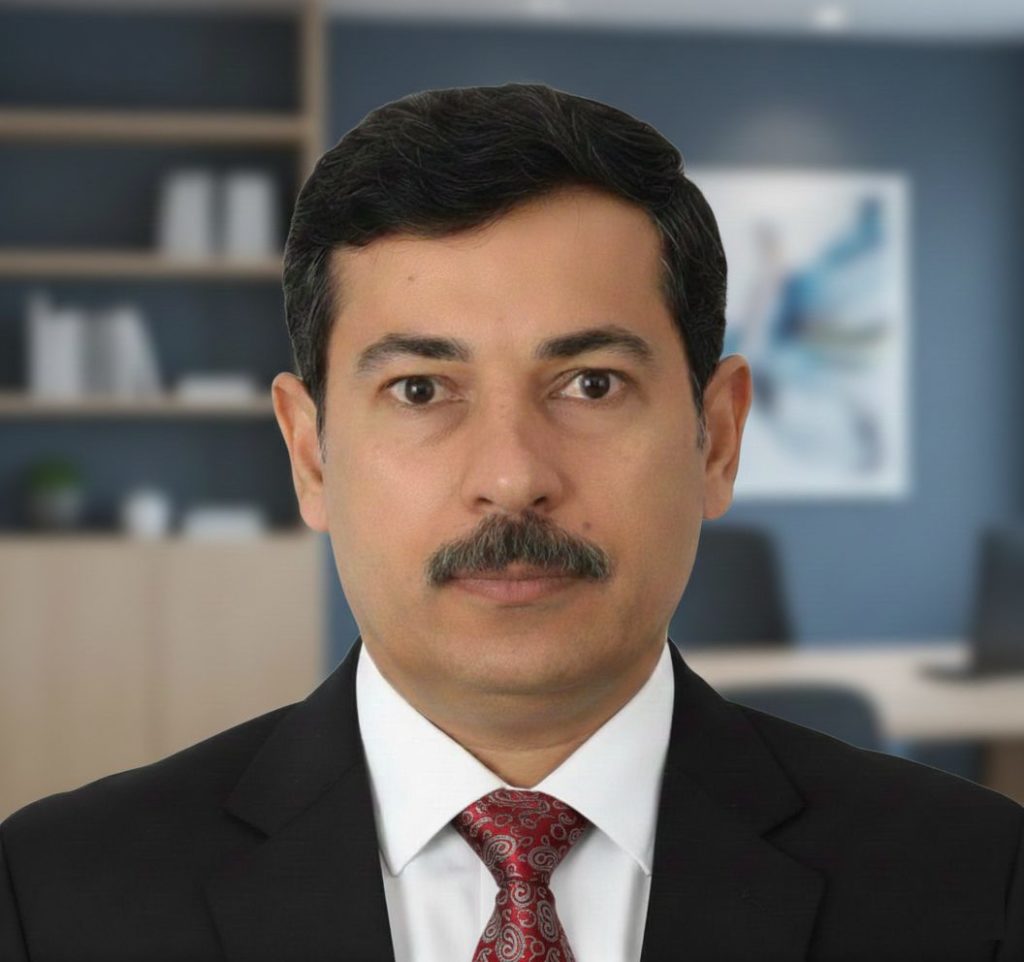
Hasan Alaraji is an Iraqi human rights and governance expert with over 20 years of experience working with civil society, international organisations and public institutions in conflict-affected contexts across Iraq. He is the Founder and President of the Iraqi Human Rights Defenders and Activists Consortium (IHRDAC), where he has led initiatives to strengthen accountability, supporting human rights defenders and advancing human rights in high-risk environments, while fostering engagement between local communities, state institutions and international actors.
His professional expertise includes human rights monitoring, reporting, evaluation and compliance, with extensive engagement with government authorities, security institutions and private security actors, in direct alignment with the mandate of the International Code of Conduct Association (ICoCA). He has managed national level programmes and provided consultancy to United Nations agencies and international non-governmental organisations.
Hasan holds a master’s degree in human rights from the University of Turin and a bachelor’s degree in sociology from the University of Baghdad. He has represented Iraqi civil society at the United Nations in Geneva and New York, contributing to processes under the Universal Periodic Review, the Human Rights Council and other UN mechanisms, with a focus on victims’ rights and accountability.
He has served for several years as ICoCA’s focal point in Iraq, supporting engagement with civil society, government authorities and private security providers.
We sat down with Mr. Alaraji to talk about his new role on the Board of Directors.
What inspired you to join the ICoCA Board and what perspectives do you hope to bring from your work in Iraq?
I was inspired to join the ICoCA Board because I have seen how the conduct of security actors directly affects civilians, humanitarian space and civic engagement. From Iraq, I bring the perspective of communities living in fragile contexts, where accountability and responsible conduct are essential for trust and safety. I hope to contribute field-based insights that help ensure standards translate into real improvements for people on the ground.
Based on your experience supporting human rights defenders and activists, what do you see as the key risks posed by private security actors to civic space and human rights in fragile contexts?
In fragile environments, gaps in oversight or unclear rules can lead to intimidation, misuse of force or restrictions on civic actors. Even when unintended, such impacts can reduce trust and limit civic space. This highlights the importance of clear standards, strong monitoring and ongoing dialogue between companies and communities.
In your view, why are international initiatives like ICoCA important for ensuring protection and access to remedy for affected communities?
Initiatives like ICoCA are important because they create a shared framework for responsible security provision. They bring together companies, civil society and governments to promote oversight, transparency and grievance mechanisms. This helps ensure that affected communities have pathways to raise concerns and seek remedy when issues arise.
How do you hope to help ICoCA more effectively support accountability for abuses in environments where local human rights defenders face significant security and political constraints?
I hope to strengthen the link between local realities and international oversight by bringing field perspectives into Board discussions. In contexts where defenders face risks, international mechanisms like ICoCA can play a supportive role by encouraging safe reporting channels and reinforcing the importance of responsible conduct. Constructive engagement can help prevent harm while protecting those who raise concerns.
From your experience in Iraq, what challenges and opportunities do you consider most important for ICoCAto address?
One challenge is operating in environments where institutions are fragile and trust between communities and security actors is limited. At the same time, this creates an opportunity to build confidence through transparency, training and meaningful engagement with civil society and the government. ICoCA can help promote practices that improve both community safety and company credibility.
What message would you share with civil society organisations considering engagement with ICoCA?
I would encourage civil society organisations to view ICoCA as a platform for constructive dialogue and influence. Engagement allows community perspectives to shape standards, monitoring and accountability in the private security sector. By participating, CSOs help ensure that human rights considerations remain central to security operations.