
NEW BOARD DIRECTOR: ALYSSA MELLON
The ICoCA Board of Directors proudly announces the election of Alyssa Mellon as a new government pillar Board Director, representing the government of Canada, effective December 2025.
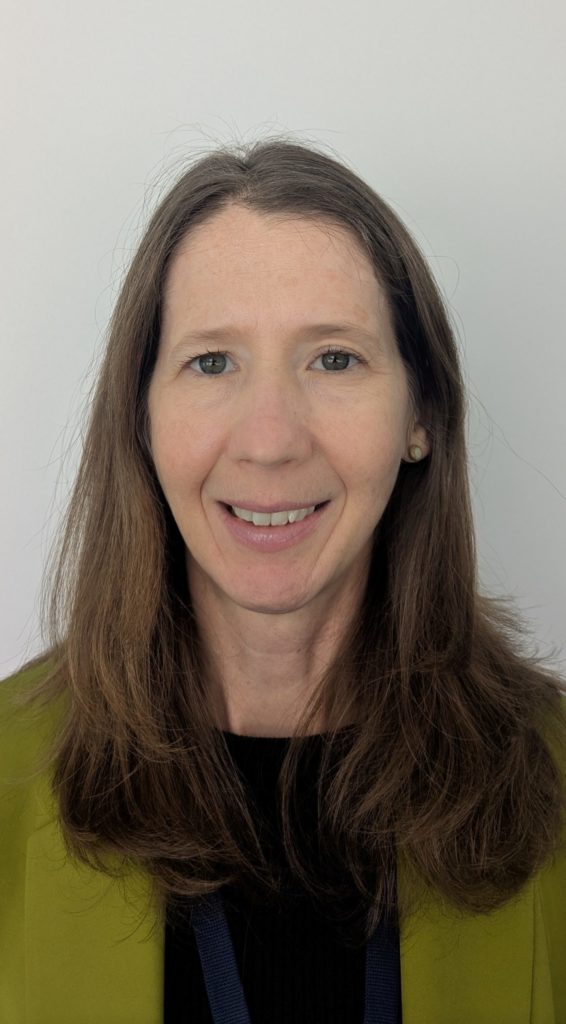
Alyssa Mellon serves as Deputy Director of the Minerals, Extractives and Development Section within the Economic Growth Division at Global Affairs Canada, where she spearheads Canada’s engagement in key global initiatives shaping responsible resource governance. She leads a team driving Canada’s participation in influential multilateral forums, including the Kimberley Process on Conflict Diamonds, the Voluntary Principles on Security and Human Rights, the Extractive Industries Transparency Initiative (EITI), and the World Bank’s Extractives Global Programmatic Support (EGPS) Multi-Donor Trust Fund.
Under her leadership, the team played a pivotal role in implementing the G7 ban on Russian diamonds and advancing global efforts to enhance transparency and traceability in the diamond supply chain. Her portfolio also includes providing strategic policy advice on critical minerals governance in developing countries, reinforcing Canada’s commitment to sustainable and ethical resource development.
Since joining Global Affairs Canada in 2006, Alyssa has held diverse roles spanning geographic desks for South and Southeast Asia, an overseas posting in Jakarta, Indonesia, and thematic files such as Canada-U.S. transboundary affairs and nuclear non-proliferation and disarmament. She holds a master’s degree in political science from Carleton University and hails from Alberta, Canada.
We had a conversation with Ms. Mellon to talk about Canada’s collaboration with ICoCA.
What has motivated Canada to now take on a role on the Board of Directors?
By joining the Board, Canada aims to maintain and strengthen accountability in global private security operations, with a particular focus on the extractive sector where Canada has significant expertise. This role provides a platform to advance standards that support Canada’s strategic priorities, including secure and resilient supply chains, respect for human rights, and gender equality and inclusion. Through Board participation, Canada seeks to shape best practices and mitigate security-related human rights risks in complex environments.
How has Canada’s experience as a long-standing Member shaped its perspective on the value and impact of ICoCA?
Canada is committed to promoting responsible business practices. Joining ICoCA in 2016 was an important step in advancing voluntary standards through a multistakeholder initiative that drives accountability and transparency. We also recognise that in fragile or high-risk environments, voluntary approaches may need to be complemented by regulation, international rules or other binding mechanisms. Beyond the extractive sector, ICoCA’s standards and oversight have shaped our approach to contracting and reinforced Canada’s commitment to international humanitarian law and human rights.
What priorities or perspectives does Canada hope to bring to the Board in support of responsible private security governance?
Canada wants to focus on a few key areas. First, we want to promote governance in the private security sector that supports access to responsibly sourced minerals and addresses challenges in conflict zones, including Artisanal and Small-Scale Mining (ASM). We’d also like to prioritise a balanced approach, combining voluntary initiatives with regulatory measures to strengthen private sector accountability and security at Canadian missions where appropriate. Inclusion remains central to these efforts, with a strong emphasis on advancing human rights and promoting gender equality as a driver of sustainable development. Finally, Canada is also working with governments, companies and civil society to reduce security-related human rights risks with a focus on gender equality while stabilizing markets and promoting local economic growth.
How does ICoCA’s mission align with Canada’s broader commitments to human rights, international security and multilateral cooperation?
ICoCA’s work aligns with Canada’s commitment to international humanitarian law, human rights and responsible business conduct. It complements Canada’s efforts through the Voluntary Principles on Security and Human Rights, OECD, G7, UN, as well as other forums, to set global norms and prevent abuses by security actors. This alignment supports Canada’s objectives of peace, security and sustainable development – particularly in resource-rich regions where security risks and developmental challenges often intersect. Canada’s mining companies are key drivers of local economic growth and have a well-established commitment to responsible business practices, reinforcing the importance of strong security governance in these environments.
Canada relies on private security companies to safeguard its missions abroad, giving us a direct stake in promoting ICoCA membership. For example, our embassy in Egypt recently convened the inaugural meeting of the ICoCA Egypt Chapter to build local awareness. This engagement generated strong interest among Egyptian security firms, many of which are now exploring membership in ICoCA.
What do you see as the key challenges and opportunities facing ICoCA in the coming years?
Right now, the greatest challenges we face include closing compliance gaps in fragile and conflict-affected areas, while also keeping pace with new security risks tied to critical mineral and gold supply chains, as well as emerging technologies.
As part of ICoCA we want to shape responsible security services to meet the growing global demand for critical minerals. We also embrace the opportunity to use certification and monitoring to boost trust and accountability, especially in high-risk environments, and in doing so build stronger partnerships with governments, industry and civil society.
What message would Canada like to share with governments considering deeper engagement or leadership roles within ICoCA?
ICoCA membership goes beyond security governance – it’s a strategic investment in building supply chains that are more resilient for everyone: people, companies and governments. Responsible security practices reduce the risk of human rights abuses linked to industry, which strengthens trust with local communities and creates the conditions for sustainable economic growth. For governments, it means increased transparency, stability and economic opportunities at home and abroad.