
SEGURIDAD RESPONSABLE IMPULSADA POR LOS CLIENTES: LECCIONES DEL EACOP EN UGANDA
Elevar los estándares a través de las adquisiciones
El compromiso de ICoCA con Uganda se remonta a muchos años atrás. A finales de la década de 2010, mientras se llevaban a cabo los preparativos, la planificación y la consulta con las partes interesadas para el Oleoducto de Crudo de África Oriental (EACOP), así como para los proyectos asociados de Tilenga y Kingfisher en la región del lago Alberto, ICoCA entabló diálogo con TotalEnergies y otras empresas involucradas en la adquisición de la cadena de suministro, con el fin de abogar por la inclusión de requisitos de afiliación a ICoCA en las licitaciones de seguridad.
En aquel momento, la posición de ICoCA era clara: aunque la Asociación todavía no contaba con empresas operando en Uganda, los grandes inversores tenían una oportunidad única en una generación para influir positivamente en los estándares de seguridad privada del país a través de sus requisitos de adquisición. Al incluir disposiciones relacionadas con ICoCA en las licitaciones, los clientes podían contribuir a que los proveedores de seguridad se afiliaran a la Asociación y avanzaran hacia estándares reconocidos internacionalmente. A través de los procesos de diligencia debida en materia de derechos humanos de ICoCA, la afiliación también ofrecería a las empresas implicadas en los proyectos EACOP, Tilenga y Kingfisher —incluidas TotalEnergies, CNOOC y otras— una mayor garantía de que los proveedores contratados operaban conforme a estándares internacionales aceptables.
ICoCA se enfrenta a menudo a las reticencias de empresas multinacionales y clientes de otros sectores, que insisten en que los requisitos de afiliación a ICoCA no pueden incluirse en las licitaciones de seguridad cuando ninguna empresa miembro de ICoCA opera aún en el mercado. TotalEnergies y las demás empresas involucradas en EACOP, Tilenga y Kingfisher adoptaron un enfoque diferente. En cambio, reconocieron la oportunidad de iniciar el camino hacia la elevación de los estándares del sector en Uganda y de alinearlos con los derechos humanos y el derecho internacional humanitario, conforme a lo establecido en el Código. Siete años después, los resultados son tangibles. Uganda cuenta ahora con seis empresas de seguridad privada afiliadas a ICoCA, así como con el primer miembro ugandés en formar parte de la Junta Directiva de ICoCA. Esto demuestra que la adquisición puede ser un poderoso catalizador de cambio positivo. En lugar de esperar a que se den condiciones de mercado ideales, los clientes responsables pueden contribuir a crearlas.
La seguridad responsable sobre el terreno
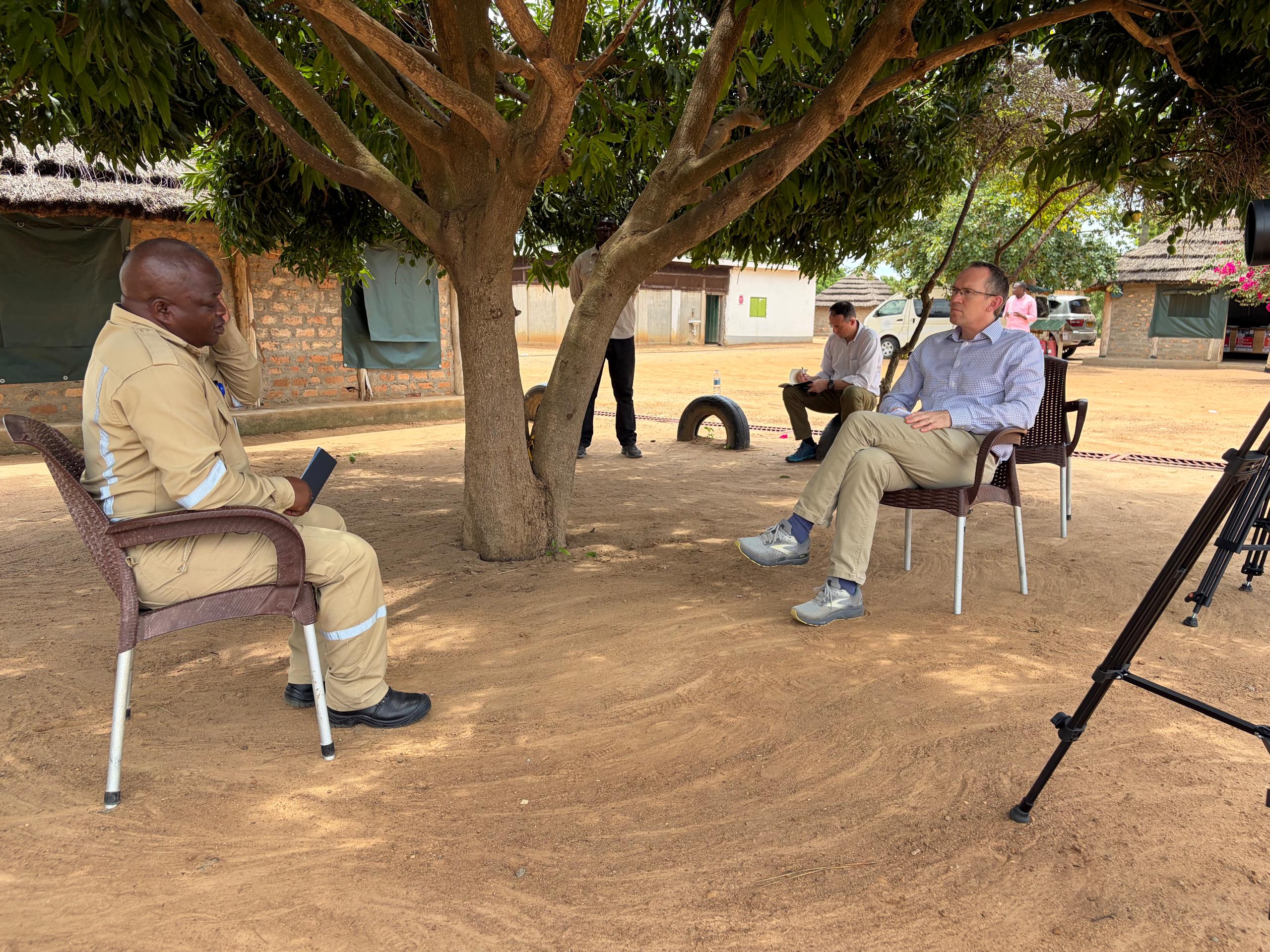
Durante la última semana de marzo de 2026, miembros del Secretariado de ICoCA fueron invitados a visitar los sitios de Tilenga cerca de Bulisa, a orillas del lago Alberto, con el fin de documentar el proyecto EACOP/Tilenga como un caso de buenas prácticas en la promoción de estándares de seguridad responsable.
La visita incluyó tiempo con Saracen Uganda Ltd, empresa miembro transicional de ICoCA, en su campamento cerca de Bulisa, así como en una de las plataformas de pozos, de las cuales Saracen custodia 24 en total en la zona.
A esto le siguió una visita a las operaciones de TotalEnergies en Tilenga, incluyendo el campamento de Bugungu, la Planta Central de Procesamiento y una de las dos plataformas de perforación.
Además de documentar lecciones para compartir con la comunidad más amplia de ICoCA, estas visitas brindaron una valiosa oportunidad para comprender mejor los desafíos operativos que plantea el proyecto, así como los enfoques innovadores adoptados por Saracen y TotalEnergies para abordarlos.
Los desafíos de seguridad en las distintas fases del proyecto
Cada fase de un proyecto de infraestructura a gran escala presenta consideraciones de seguridad propias.
El oleoducto en sí, por ejemplo, está térmicamente aislado y enterrado a lo largo de 1.443 km, recorriendo desde la ciudad de Kabaale, cerca del lago Alberto en Uganda, hasta el puerto de Tanga en Tanzania, con seis estaciones de bombeo en su trayecto. Junto con las plataformas de pozos y la Planta Central de Procesamiento, el proyecto en su conjunto requirió la adquisición de 6.400 hectáreas de tierra, afectando a 19.140 hogares, de los cuales 775 fueron reubicados e indemnizados. Dado que el proyecto abarca zonas agrícolas escasamente pobladas y el Parque Nacional de las Cataratas Murchison, el despliegue diario y nocturno de equipos de seguridad hacia ubicaciones remotas plantea importantes desafíos logísticos, al igual que garantizar una respuesta rápida ante cualquier incidente. El personal está alojado en un campamento residencial central en Bulisa y es trasladado diariamente hacia los sitios y de vuelta.
Con la transición de la fase de construcción a la de producción, el proyecto entra también en un período potencialmente sensible desde el punto de vista de la seguridad. Miles de personas están actualmente empleadas en puestos relacionados con la construcción, en su mayoría ugandeses. Muchos de estos puestos desaparecerán una vez finalizada la construcción. Aunque esta transición siempre se anticipó, la reducción de personal puede, no obstante, generar inseguridad y preocupación en las comunidades. ICoCA está dialogando con las partes interesadas pertinentes para comprender cómo se están abordando estos desafíos de manera conforme con los derechos humanos.
La seguridad responsable y la transición justa
El Objetivo 3 del Plan Estratégico 2024-2030 de ICoCA consiste en «garantizar que las prácticas de seguridad responsable promovidas por ICoCA sean reconocidas como esenciales para lograr la Transición Justa».
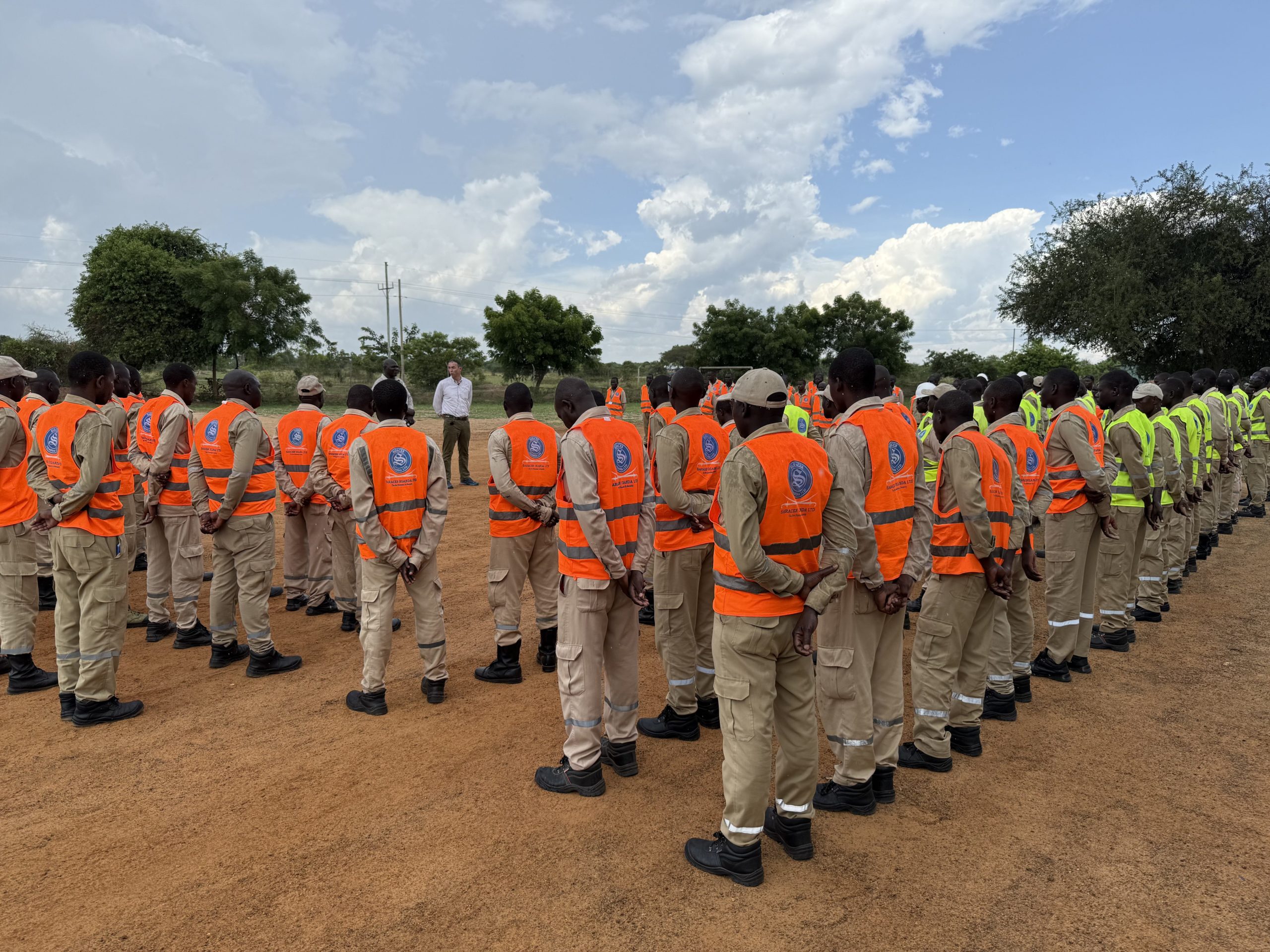
Como se indica en el plan, la transición hacia una economía baja en carbono requerirá inversiones sustanciales en los sectores extractivo, de materias primas, de infraestructura y de energías renovables. Al mismo tiempo, se espera que los combustibles fósiles tradicionales sigan formando parte de la combinación energética mundial en un futuro previsible. Al adherirse a ICoCA desde sus inicios, EACOP constituye un ejemplo destacado de cómo los grandes proyectos de desarrollo estratégico pueden contribuir a elevar los estándares de seguridad responsable a nivel nacional, un elemento crucial para promover la paz y la seguridad.
En su mejor expresión, la seguridad responsable se integra en el compromiso comunitario y sitúa el bienestar de los trabajadores en su centro. Sea cual sea el sector o el proyecto de infraestructura —energías renovables, minería o combustibles fósiles—, cuando el personal de seguridad se recluta entre las comunidades en las que opera, cuando se le ofrece no solo un empleo sino también una trayectoria profesional y un oficio del que pueda sentirse orgulloso, y cuando se le remunera de forma justa, se le forma adecuadamente y se le trata bien, se convierte en un pilar fundamental a través del cual las empresas obtienen y mantienen su licencia social para operar. El respeto de los derechos de los trabajadores fortalece la retención del personal, mejora el desempeño y las relaciones con las comunidades locales, reforzando así la legitimidad operativa y el éxito de los proyectos a largo plazo.
Habiendo realizado una encuesta sobre las condiciones laborales en Uganda, donde no existe un salario mínimo, ICoCA conoce bien los desafíos y vulnerabilidades que enfrentan los trabajadores de seguridad. Si bien siempre hay margen de mejora, la visita de ICoCA a Bulisa y su compromiso continuo con los clientes en favor de la mejora de las condiciones laborales contribuyen a poner de relieve el valor de la participación empresarial en la iniciativa.
El primer Foro de Seguridad Responsable en Uganda
Tras la visita a Bulisa, ICoCA copatrocinó el primer Foro de Seguridad Responsable (RSF) Uganda en Kampala, junto a Esteri Akandwanaho, miembro de la Junta Directiva de ICoCA y presidenta de Saracen Uganda Limited.
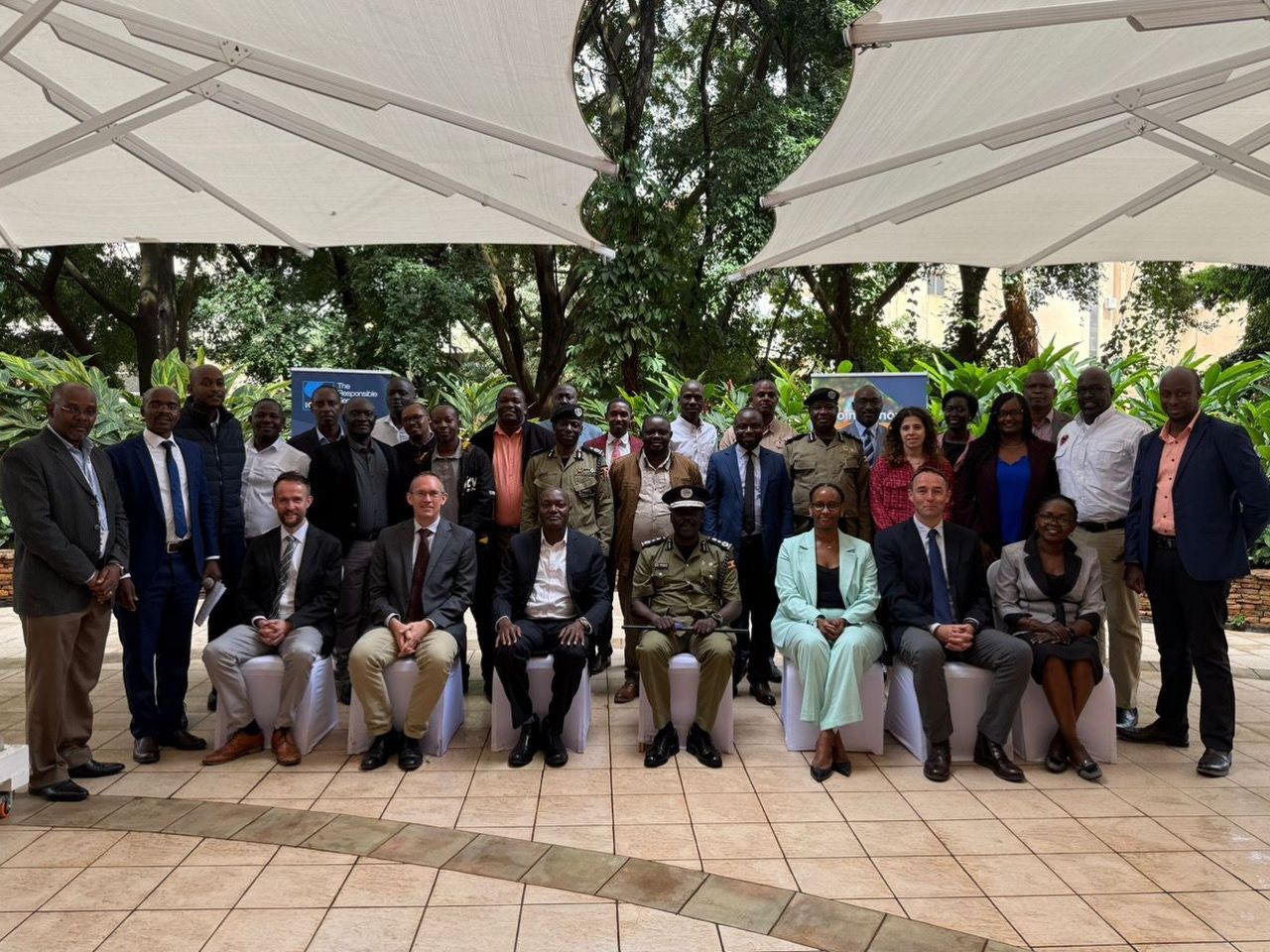
El Foro reunió a actores de todo el ecosistema de la seguridad privada de Uganda para debatir los avances recientes, los desafíos actuales y el camino a seguir. Marcó un hito importante en el creciente compromiso de ICoCA en Uganda, particularmente en relación con el proyecto del Oleoducto de Crudo de África Oriental, uno de los mayores desarrollos de infraestructura de la región. Entre los participantes se encontraban empresas de seguridad privada, la Asociación Ugandesa de Seguridad Privada, clientes del sector extractivo, ministerios gubernamentales, la Policía de Uganda en su rol de regulador, y la Oficina Nacional de Normas de Uganda.
Los debates se centraron en elevar los estándares en todo el sector, mejorar las condiciones laborales e identificar qué más es necesario hacer para sostener el progreso. Tomando los estándares internacionales como punto de referencia, los participantes reflexionaron sobre lo que significa en la práctica una operación responsable, desde el bienestar y la formación de los trabajadores hasta la gestión de riesgos, la supervisión y la rendición de cuentas. Hubo un fuerte consenso sobre la necesidad de seguir elevando los estándares del sector, mejorar el bienestar de los trabajadores y desarrollar enfoques más coherentes en materia de cumplimiento y supervisión. Los participantes también reconocieron que un sector de la seguridad privada que opere con estándares más altos puede contribuir a fomentar la inversión en el país y a apoyar un desarrollo económico más amplio.
El Foro brindó la oportunidad de reflexionar sobre los avances logrados, reconocer los éxitos alcanzados e identificar los próximos pasos. También demostró que existe tanto el impulso como la voluntad de avanzar hacia un sector de la seguridad privada más responsable y transparente en Uganda y más allá. Con la propuesta de lanzar un Capítulo de África Oriental y el debate sobre una posible afiliación del gobierno ugandés a la Asociación, el reto ahora consiste en consolidar este impulso.
Compromiso continuo y perspectivas futuras
Durante la semana también se llevaron a cabo varias reuniones y visitas bilaterales. Entre ellas, una evaluación in situ de una empresa con antecedentes de incidentes relacionados con los derechos humanos, que había estado colaborando con ICoCA para fortalecer sus políticas. El propósito de la visita era garantizar que dichas políticas se hubieran implementado plenamente, de modo que la empresa pudiera cumplir con los requisitos de ICoCA antes de afiliarse a la Asociación.
La semana también incluyó tiempo con otra empresa que ha expresado interés en afiliarse a ICoCA, con el fin de comprender mejor sus operaciones y los posibles riesgos relacionados con los derechos humanos, así como reuniones con el Embajador de la Unión Europea en Uganda, la Alta Comisión del Reino Unido y organizaciones de la sociedad civil que trabajan en este ámbito.
ICoCA espera profundizar su compromiso con todos los grupos de actores en Uganda, en su labor continua por elevar los estándares de la industria de seguridad privada y promover el respeto de los derechos de todas las comunidades afectadas.