
RESPONSIBLE TRANSITION BEYOND MINE CLOSURE

This case study highlights SGA Security Kenya’s approach to workforce transition as part of its responsible security practices at the Base Titanium Kwale Mineral Sands Operations in Kenya. Aligned with ICoCA’s Strategic Goal 3, to “Ensure that the responsible security practices promoted by ICoCA are recognised as essential for achieving the Just Transition,” outlined in ICoCA’s 2024-30 Strategic Plan, this case demonstrates how responsible security contributes not only to site protection, but also to more equitable and stable social outcomes during mine closure. A just transition requires that the economic and social impacts of mine closure, such as job losses, reduced income-making activities and changing community dynamics, are managed in a way that protects workers, communities and human rights. In this context, responsible security plays an important role by helping maintain trust, reducing tensions and ensuring that workforce transitions and community engagement are handled in a fair, transparent, clear and rights-respecting manner. SGA Security, a leading security solutions provider in East Africa and certified member of ICoCA, was recognised with the PSC Member Award (Transitional & Certified) at the ICoCA Responsible Security Awards 2025.
As the Kwale mine approached closure, SGA Security developed a demobilisation plan to support its security officers in preparing for “Life after Base,” addressing both the financial and emotional impacts. Because SGA Security is closely embedded in the host communities, it designed this plan with a clear understanding of the local realities, helping manage the wider socioeconomic effects on workers and their families. It provides a practical example that other companies can learn from when planning mine closures in a way that supports workers and communities, while also helping to maintain stability and reduce social and reputational risks.
Background
Base Titanium, a subsidiary of Base Resources, is an Australian mining company that has operated in Kenya since 2013. Its flagship project, the Kwale Mineral Sands Operations, is located in Kwale County, approximately 50 km from Mombasa, East Africa’s principal port. At its peak, the mine accounted for around 65% of Kenya’s mineral output value and formed a key component of the country’s Vision 2030 development strategy.
The Kwale Operations extract mineral sand (specifically ilmenite, rutile and zircon) using hydraulic mining methods. This involves blasting the mine face with high-pressure water jets to create an ore slurry, from which valuable minerals are separated. Mining progressed across three ore bodies (Central Dune, South Dune and North Dune) between 2013 and 2024. The Kwale Operations contribute to the global energy transition by supplying titanium-bearing minerals that are essential for renewable energy technologies. Titanium’s strength, durability and corrosion resistance make it valuable in wind turbines, solar applications and green hydrogen systems, supporting the global shift to low-carbon energy. At the same time, the mine aims to advance a just transition through supporting local employment, skills development and progressive land rehabilitation, with the goal of ensuring that both environmental and socio-economic benefits are realised alongside global decarbonisation efforts. Despite efforts to extend the mine life, resource depletion led to the planned cessation of mining in December 2024.
SGA Security has provided private security services at the Kwale Operations since 2019 supporting both active mining and decommissioning through site access control, perimeter protection and safeguarding critical infrastructure and personnel. Security at Kwale operated through a layered structure involving both SGA Security and Base Titanium’s own community-facing security functions.
The role of Base Titanium’s Kwale Operations in local employment and livelihoods
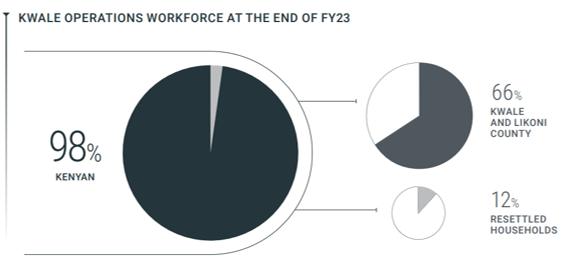
A defining feature of Kwale Operations was its strong reliance on local employment. Base implemented a recruitment system that prioritised resettled households and residents of Kwale County. This resulted in a predominantly local workforce: at peak operations, 71% of approximately 1,500 employees were from Kwale, and by FY23, 98.3% of employees were Kenyan.[i] Security formed part of this broader employment footprint. SGA Security deployed approximately 250 personnel at the site (around 450 cumulatively over the years), with around 80% recruited locally. In parallel, Base employed 42 local staff in social security roles responsible for perimeter patrol and community-facing functions.[ii] These “Social Security Guards” are recruited from the local communities, including from households that were relocated for mine operations, and trained in conflict resolution. They support community engagement and act as the first point of contact for dialogue before issues escalate.[iii]
Base estimates that the mine also supported around 2,800 additional jobs through local content creation.[iv]
As a result, these jobs, including private security roles, depended on the operation of the mine. The closure of Kwale therefore led to a loss of employment across both direct and indirect roles.
In parallel, the project involved significant social impacts. Over its lifetime, Base resettled approximately 1,159 households (around 7,000 people). It engaged with communities through consultative committees, local representatives and dedicated community teams that addressed day-to-day issues and grievances. Information about operations, safety and community programmes was shared through direct engagement, as well as through formats such as theatre and role-playing. Base also implemented livelihood and education programmes, including agriculture initiatives (such as cotton, sorghum, poultry and beekeeping) and scholarships and bursaries for secondary and tertiary education.[v] SGA Security supported several of these community initiatives. This included securing agricultural trial plots where Base demonstrated how mined land could be rehabilitated and reused for farming, helping protect crops and equipment and supporting community confidence in post-mining land use. SGA Security also supported responses to local community concerns beyond the mine site, including assisting with water distribution and helping manage issues such as baboons entering villages and damaging crops.
Together, these factors meant that the mine was a major source of employment and further supported education and community prosperity through local content creation, scholarships and livelihood programmes. Its closure therefore had direct consequences for workers and surrounding communities and required a planned and responsible approach.
Transition to closure and implications for security
Recognising the role of Kwale Operations in local employment and livelihoods, Base Titanium planned closure as a managed transition rather than an abrupt shutdown. Its Mine Closure Plan focuses on decommissioning, rehabilitation and restoration of mined areas, alongside measures to manage the economic and social effects of closure. These include financial planning for employees, support for livelihood diversification (such as crop trials and wetland creation), opportunities for contractors to transition to other mine projects and continued stakeholder engagement.[vi] Engagement during closure built on existing consultative committees and community teams, with regular communication on closure timelines, rehabilitation activities and post-mining land use options.[vii]
Within this broader closure process, security requirements changed significantly. As mining activities ended in December 2024, the need for a large security workforce declined, and SGA Security was asked to reduce its workforce by more than half, with around 100 security officers expected to leave. At the same time, security needs continued. The site still required protection of remaining infrastructure, support for rehabilitation activities and management of safety risks in hazardous areas. A reduced team of 80 SGA security officers remained in place to provide access control and site protection during the decommissioning phase.[viii]
This created a dual challenge for SGA: managing a significant reduction in a locally recruited workforce while maintaining effective and responsible security coverage during closure.
Responsible Decommissioning “Life after Base”: Managing the security workforce transition
As Kwale Operations approached closure, preparing the workforce for the end of mining became a central component of Base Titanium’s closure strategy. This was formalised under the “Life After Base” programme, which aimed to equip employees with the tools and information needed to plan for employment and livelihoods beyond the mine. This included financial management training, upskilling and the development of a skills database to connect workers to external employment opportunities.[ix]
Within this framework, SGA Security developed a dedicated Demobilisation Plan for its security officers at Kwale. The plan set out how the company would manage the reduction of its workforce in a structured and transparent way, while addressing both the financial and emotional impacts of job loss. For many security officers, employment at Kwale had been long-term and provided a stable source of income for their households. The demobilisation plan was structured around five core pillars:[x]
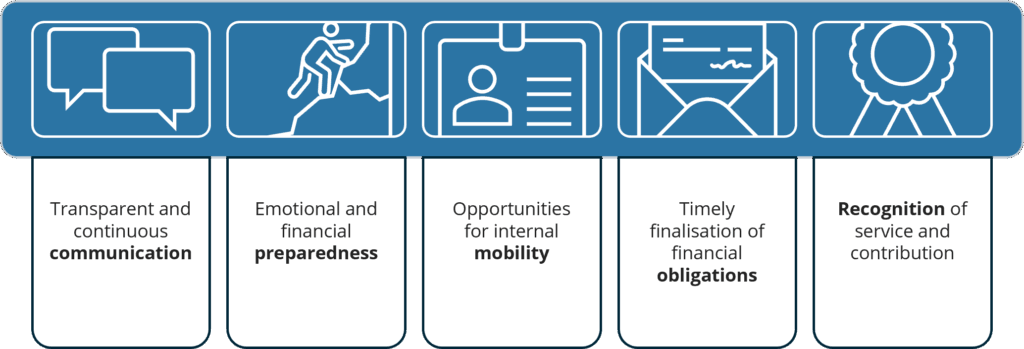
SGA Security’s approach to demobilisation thus combined operational needs with a people-centred approach. Interviews with current and former SGA security officers suggest that the plan was not only seen as clearly structured, but also experienced as transparent, supportive and predictable in practice. Across all phases, security officers consistently highlighted the importance of early communication, continuous engagement and practical preparation in shaping how they navigated the transition.
The pillars were operationalised through a four-phase process aligned with the timeline of mine closure.[xi]
PHASE 1: Establishing clarity
The first phase (1-31 October 2024) focused on ensuring that all security officers had a clear and consistent understanding of the demobilisation process.
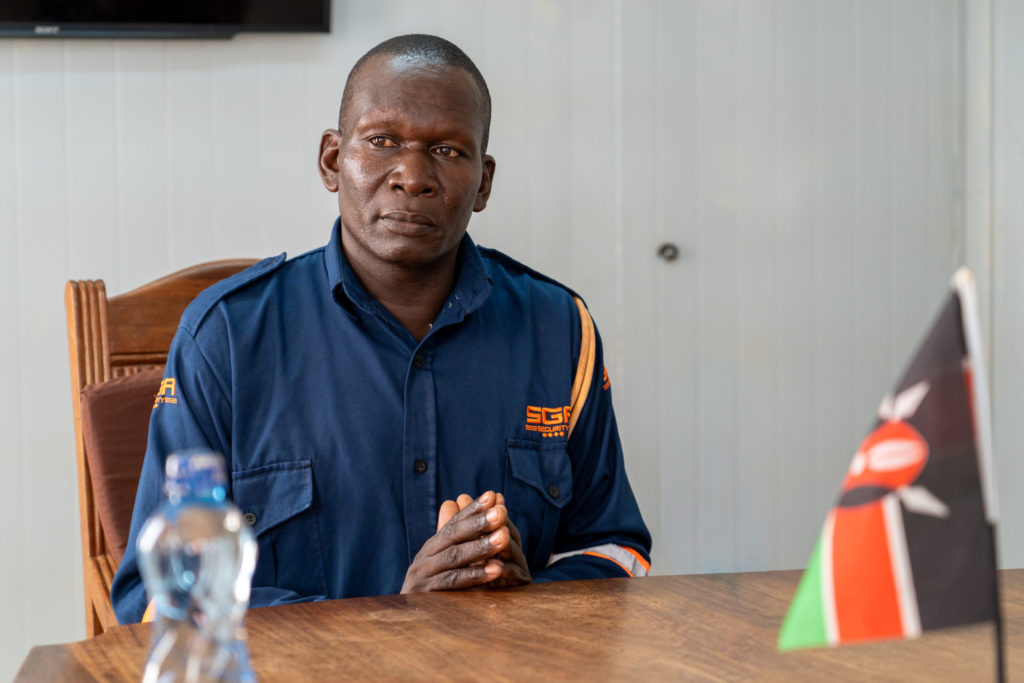 SGA Security organised six “timaam parades” (regular and structured briefing sessions at shift start or end) in Kwale, which served as the primary communication platform between management and the workforce. During these sessions, management explained the closure timeline, the sequence of demobilisation activities and the specific steps that security officers would go through in the coming months. Information was presented in a clear way to ensure that all personnel received the same message. Attendance was recorded and schedules were shared in advance to enable full participation across shifts.
These parades were not limited to one-way communication. They were designed to allow security officers to raise questions about contract termination, timelines and entitlements. This created space for clarification and reduced the risk of misinformation spreading within the workforce.
At the same time, SGA Security carried out a calculation of final dues for each security officer. These calculations took into account years of service and contractual entitlements. Each officer was invited to an individual meeting where their specific breakdown was explained step by step. This ensured that employees understood not only the total amount they would receive, but also how that amount had been calculated.
To formalise the process, SGA Security issued written notices in both print and digital formats. These notices included the contract end date, the value of final dues and any procedures for termination. Security officers were required to sign an acknowledgement confirming receipt of this information. This created a documented record that each individual had been formally informed.
By combining group communication, individual verification and written confirmation, this phase ensured that all security officers had a clear and shared understanding of the process before moving into the next stage.
| Reflections of security officers on Phase 1
The first phase provided clarity and predictability from the outset. Communication around the demobilisation process began early, helping guards understand that the transition would happen step by step rather than suddenly. As one security officer explained, “We were told early that operations would reduce in the near future. It helped us understand this was a process, not something sudden”.[xii] Another former security officer similarly noted that “It was not a surprise. We already knew the contract would come to an end”.[xiii] This early and consistent communication was widely experienced as effective in reducing uncertainty. Group meetings, combined with individual responses to questions and concerns, helped limit rumours and confusion; common challenges when employment comes to an end. In Kwale, where the mine had been a major source of employment and livelihoods for many years, this level of clarity and consistency was particularly important. It enabled security officers to prepare both mentally and practically for the transition, while setting the foundation for the subsequent phases. At the same time, not all officers adjusted at the same pace. Some noted that, despite being informed, it remained difficult to fully grasp that closure was imminent. What made a difference, however, was that communication was not one-way. Security officers had regular opportunities to ask questions, raise concerns and receive responses from supervisors and management. As one security officer reflected, “We could raise issues during meetings, and management would respond. That made things clearer and reduced tension”.[xiv] Regular timaam parades played a central role in reinforcing this process. Through repeated messaging on timelines, entitlements and expectations, they helped make the reality of closure more tangible over time. As one current security officer described, “Every week we were reminded ‘where there is a beginning, there is an end.’ It gave us time to prepare ourselves and our families.”[xv] Another former security officer added that “they didn’t just tell us we were leaving; they explained why and what support we would get. This reduced panic”.[xvi] These briefings also contributed to a sense of openness and fairness. Security officers highlighted that having their final dues explained individually and understanding how these were calculated, increased trust in the process. In contrast, one security officer noted this was not the case in his previous employment: “SGA was transparent in giving us our final dues, unlike in my previous workplace, where this was not done”.[xvii] |
PHASE 2: Preparing for exit
The second phase (1-30 November 2024) focused on helping security officers prepare for leaving their roles and making decisions about next steps. The decision of which security officers would be let go was made based on a matrix assessing their individual performance, as well as their length of employment (last-in-first-out).
SGA Security worked with Base Titanium to provide counselling services to all security officers. These sessions were intended to help individuals manage the emotional impact of job loss, particularly for those who had been employed at the site for several years. Participation targets were set to encourage uptake, while keeping attendance voluntary.
Weekly timaam parades continued during this phase, but with a different purpose. Rather than introducing new information, these sessions were used to reinforce key messages, provide updates where needed and gather feedback from security officers. This allowed management to respond to emerging concerns and adjust communication where necessary.
Financial workshops also formed a central part of this phase. Delivered in partnership with external financial experts, these sessions focused on practical topics such as managing lump-sum payments, budgeting and planning for future income. The aim was to ensure that security officers were able to make informed decisions about how to use their final dues. Workshops were scheduled during off-duty hours to maximise accessibility and attendance.
In parallel, SGA Security identified security officers interested in continuing employment elsewhere within the company. Through its internal recruitment system, the company screened candidates for positions at other sites, including Mombasa and Nairobi. Interviews were conducted to assess suitability for redeployment. This created a clear pathway for those willing and able to relocate, reducing the number of employees exiting the company entirely.
This phase focused on equipping security officers with the information and skills needed to move from understanding the process to actively planning their next steps.
| Reflections of security officers on Phase 2
The second phase was frequently described as one of the most valuable parts of the demobilisation process. Security officers highlighted the importance of the support provided during this period, including financial literacy training, counselling and opportunities for peer support. Together, these measures helped create a sense of reassurance as they approached the transition. Several security officers pointed to the practical value of financial training. As one security officer explained, “The financial training helped me plan what to do with my money. I didn’t feel lost after leaving”.[xviii] Another former security officer reflected “we were told there is life after Base, and that we should not lose hope”.[xix] Similarly, another current security officer highlighted the emotional support: “The counselling sessions made a difference; it showed SGA understood this was not just about work, but about our lives”.[xx] In practice, this support translated into concrete outcomes. Former security officers described using their final payments to prepare for alternative livelihoods, including starting small businesses, investing in farming or supporting household needs. As one former security officer reflected: “The money I received helped me build my house and pay school fees. It made a real difference.”[xxi] This suggests the demobilisation plan extended beyond administrative closure to supporting longer-term financial resilience. The availability of redeployment opportunities within SGA Security provided an additional layer of reassurance. As one security officer noted: “We were told if there are opportunities, we can be posted to other areas, and some of our colleagues went and are doing well”.[xxii] |
PHASE 3: Completing exit
The third phase (1-31 December 2024) coincided with the final stage of mine operations and focused on completing the transition process. During this phase, counselling sessions and financial workshops continued, with a stronger focus on immediate decisions. These sessions supported security officers in finalising plans related to employment, relocation or alternative livelihoods.
A key outcome of this phase was the issuance of 20 new contracts to security officers who had chosen to relocate within SGA Security’s operations. This demonstrated that internal mobility was a viable option for a portion of employees.
At the same time, SGA Security finalised all financial obligations. Final payments were made to all security officers, and each individual was required to confirm receipt. This step was essential to ensure that all contractual commitments had been fulfilled and properly documented.
Administrative closure was handled alongside financial settlement. Records were updated and the demobilisation process for each security officer was formally completed.
By the end of this phase, employment at Kwale had concluded for those not redeployed, marking the end of active demobilisation activities.
| Reflections of security officers on Phase 3
During the final phase of exit, attention shifted to completing demobilisation in a way that was clear, fair and supportive. SGA Security continued to provide targeted counselling and financial management guidance, alongside support with references and advice on finding new employment. This hands-on and transparent approach helped build trust and reduce disputes. Security officers described the process as generally orderly, with payments made as communicated and procedures followed as expected. As one former security officer recalled: “They explained my final dues step by step, so I knew exactly what to expect and that gave me peace of mind”.[xxiii] At the same time, the process extended beyond the finalisation of payments. Officers continued to receive guidance on next steps, including advice on job opportunities and the possibility of redeployment within SGA Security. A supervisor described how this was framed: “We were encouraged to see ourselves not just as Base Titanium workers, but as SGA employees. That gave hope for redeployment.”[xxiv] Another former security officer added: “They didn’t just pay us and let us go; they walked with us in thinking about what comes next”.[xxv] As a result, some security officers were redeployed to other SGA Security sites, while others transitioned into alternative livelihoods. As one security officer noted: “Some colleagues were moved to other sites and others started businesses. It showed there was life after the contract at [Base].”[xxvi] At the same time, experiences of transition varied. Some security officers moved quickly into new roles or were redeployed, while others required more time to adjust due to personal circumstances. For example, one former security officer described how she went on maternity leave after her contract ended, using this period to care for her family while also completing construction of her house using her final dues. More broadly, most security officers reported using their payments to invest in alternative livelihoods. These included starting small businesses (some of which have since created employment for others), purchasing land, building homes and engaging in farming activities to sustain income beyond formal employment. In addition to economic outcomes, interviews also highlighted the importance of behavioural and social resilience. One former security officer reflected that, despite no longer being employed, he maintained the discipline and professional conduct developed during his time with SGA Security, helping him avoid negative influences and engagement in illicit activities, which he noted are increasing in the area. As he explained: “The SGA trainings helped me stay disciplined at all times, even when I was not working, I knew how to conduct myself and avoid being lured into criminal activities”.[xxvii] |
PHASE 4: Maintaining security during decommissioning
Following the end of mining operations, SGA Security transitioned to a reduced security presence to support ongoing decommissioning and rehabilitation activities.
Approximately 80 security officers were retained on site. Their responsibilities differed from those during active mining operations. Instead of securing production activities, their role focused on controlling access to the site, protecting remaining infrastructure and supporting safety in areas where hazards remained.
This included monitoring entry points, preventing unauthorised access to restricted zones and safeguarding assets such as processing facilities that had not yet been dismantled. Security personnel also supported the safe conduct of rehabilitation activities, including reforestation, by maintaining controlled access to operational areas.
The continued presence of approximately 500 workers on site during closure activities required ongoing coordination between security personnel and operational teams. Security therefore remained a necessary function throughout the decommissioning phase, even with a reduced workforce.
| Reflections of security officers on Phase 4
The post-closure phase, characterised by a transition to a reduced security presence, was experienced as an adjustment in roles rather than a disruption of operations. Security officers continued their duties with clear guidance and support. As one security officer noted: “Even as numbers reduced, we had clear instructions and support to keep the site safe.”[xviii] Security officers described continuity in structure, coordination and expectations during this phase. Responsibilities shifted from supporting active mining operations to protecting remaining assets and ensuring safety during rehabilitation activities. This included managing access points, monitoring restricted areas and supporting safe movement within the site. As one security officer explained: “The work changed, but security was still needed and this time, we focused more on controlling access and protecting what remained”.[xxix] Although the reduction in workforce was visible, security officers did not report any significant breakdowns in coordination. Instead, roles were redistributed in line with the evolving needs of the site, with remaining personnel adapting to a more controlled and less intensive operational environment: “Even as our numbers went down, we still had the tools and guidance to keep the site safe. It showed they cared about people, not just property.”[xxx] At the same time, the post-closure period introduced new risks, particularly related to theft and unauthorised access to remaining infrastructure. Security officers emphasised the importance of maintaining vigilance and coordination with supervisors and, where necessary, public security actors. As one security officer noted: “After operations stopped, there were more risks like theft, this required us to be more alert and follow procedures closely”.[xxxi] Despite these emerging risks, security officers highlighted that established systems and training continued to guide their work, including adherence to protocols, reporting lines and communication channels. The continued presence of workers on site during rehabilitation also required ongoing coordination between security and operational teams, reinforcing the need for security to remain an active function even after closure. From a community perspective, maintaining a security presence contributed to stability, continuity and the preservation of existing relationships. Security officers noted that community members were familiar with access controls and procedures, which helped prevent misunderstandings during the transition: “Even after closure, people knew the rules and so there was no confusion about access or security”[xxxii]. A former security officer added: “We had clear instructions on what to monitor and how to engage with the community, which helped keep things calm, improving security outcomes.”[xxxiii] By remaining present and coordinated, SGA Security maintained safety while also sustaining positive relationships with the community. Security officers continued working closely with Social Security Guards and local leaders, which helped manage tensions: “We didn’t handle community issues alone, we worked with social guards and leaders. That helped keep things calm.”[xxxiv] |
How SGA Security’s Legacy of Community Trust and Positive External Stakeholder Relations Facilitated Responsible Decommissioning
While the previous section highlighted how security officers experienced the demobilisation process, the broader outcome of mine closure was also shaped by how communities and external stakeholders responded to this transition. This raises a critical question: how did SGA Security’s legacy of trust with communities and other external stakeholders help the company navigate decommissioning in a way that maintained stability and protected relationships?
The closure of Kwale Operations had wider implications beyond the workforce. The mine had operated for over a decade and had become a central part of the local economy, not only through employment but also through investments in community development, including livelihood programmes and education support such as scholarships. Its closure, therefore, introduced uncertainty around future employment, income sources and continued access to these benefits, creating conditions in which tensions could have emerged.
Despite this, community relationships at Base Titanium remained strong throughout the demobilisation process. Unlike many mine closures that lead to tension, the transition at the Kwale mine was largely peaceful and cooperative. Importantly, it was SGA Security’s socially embedded and rights-based approach to security that contributed to both operational stability and community trust. Security officers themselves recognised that good relationships made their work easier: “When the community trusts you, they share information. That helps prevent security challenges.”[xxxv] Because of this, the decommissioning process did not damage trust but instead helped preserve a positive relationship between the company, security officers and the wider community.
This transition was enabled by SGA Security’s established approach to responsible security at the Kwale Operations, which provided a stable operating context during decommissioning. The following success factors help explain how this approach contributed to a smooth and stable transition:
Locally embedded security and community-based engagement structures
A key part of SGA Security’s approach was hiring security officers from the local communities, which shaped how security was delivered and how it was perceived. Because security officers lived in the same communities, they shared the same identity and were seen less as outsiders. Security officers consistently described themselves as part of the same communities they engaged with: “We are from these same communities and we remain to be part of them, and therefore we maintain social relationships with the locals”.[xxxvi]
These local relationships strengthened trust and familiarity, allowing communication to extend beyond formal duties. As a result, interactions at checkpoints were less likely to be perceived as confrontational and community members were more willing to follow security procedures. This made daily operations smoother and reduced the likelihood of conflicts escalating. Civil society perspectives also reinforced that local recruitment reduced the risk of tension and strengthened relationships between security and community members.
This factor became even more important during decommissioning. As security officers transitioned out of employment, many remained within the same communities, helping to sustain relationships beyond the life of the mine and reducing the risk of post-closure tensions.
This embedded approach extended beyond local recruitment into a wider ecosystem of community engagement structures. SGA Security’s function operated within a broader system that included Social Security Guards (described above), Community Information Centres (CICs), village leadership and security committees. These structures ensured that security-related issues were addressed through trusted and contextually appropriate channels.
The Social Security Guard model played a particularly important role in bridging the gap between the company and communities. As one supervisor noted: “The relationship between SGA guards and communities works best through the Social Security Guards, who serve as the real bridge”.[xxxvii] This allowed SGA security officers to focus on maintaining order, while community-linked actors facilitated dialogue and dispute resolution. This reduced operational disruptions and improved the effectiveness of conflict management.
Close collaboration with Social Security Guards further strengthened trust. Because these actors were locally rooted, they were able to understand and respond to community concerns, particularly around sensitive issues such as employment and access to land. As one current security officer explained: “They speak the local language and understand the community, so they help us engage better”.[xxxviii]
This approach also enabled practical, negotiated solutions. For example, community concerns around grazing in rehabilitated areas were addressed through dialogue rather than enforcement. Similarly, when tensions arose, particularly around employment, community leaders and intermediaries were involved early on to facilitate resolution before escalation. For example, when groups of youth approached the mine demanding employment opportunities, village leaders, Youth Information Champions and Social Security Guards engaged them through dialogue and community meetings to explain recruitment processes, timelines and available alternatives such as vocational training opportunities supported by the company. In some cases, concerns were further escalated through security committee meetings, where company representatives and local leaders jointly addressed grievances before protests or operational disruptions could occur. These established relationships were critical during decommissioning, as they helped manage expectations and prevent tensions at a time when economic impacts were being felt.
Transparent communication and responsive community engagement
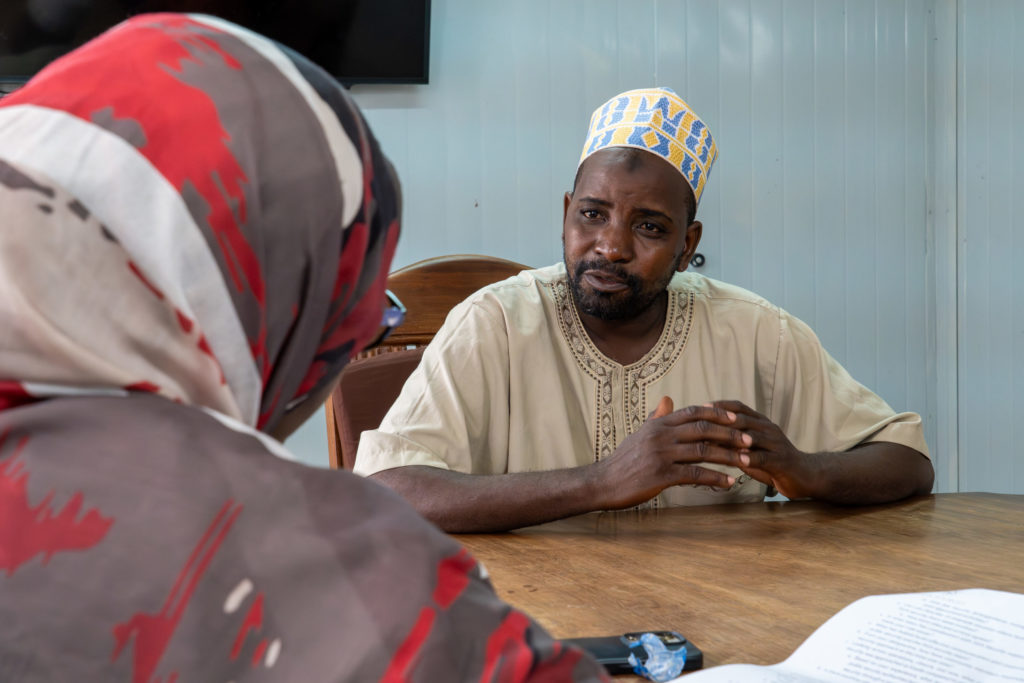 Trust between the company, security teams and communities was reinforced through open and continuous communication. Platforms such as community meetings, CICs, youth champions and village leadership ensured that information was shared regularly and concerns could be raised. This transparency was particularly important during closure, when expectations around jobs and resources were changing. It helped manage uncertainty and reduce rumours. As one community leader noted: “When communities raise issues, they are heard and issues resolved amicably.”[xxxix]
SGA Security’s approach was also characterised by their responsiveness. Issues raised by community members, whether related to infrastructure, safety or broader tensions, were addressed through collaboration with local leadership and established structures. As one respondent explained: “The security team [has] been very responsive to our concerns and have worked with community leaders to resolve problems quickly”.[xl] This responsiveness helped build confidence that concerns would be taken seriously. For example, when communities reported challenges accessing water during operations, the company worked with local leaders to install water tanks and boreholes. In other cases, concerns related to bushfires and theft of infrastructure were addressed through rapid coordination between the security teams, village leadership and committees to prevent escalation and minimise risks. Respondents described how emergency concerns or community incidents were reported quickly through the established channels, allowing timely response from the company and security teams. In practice, this reduced frustration, prevented escalation and contributed to a more stable operating environment during a period of significant change.
Professional, consistent and human rights-aligned conduct
The transition to decommissioning created a more complex operating environment, including increased asset vulnerability, workforce uncertainty and wider socio-economic pressures. In this context, the professionalism of SGA security officers remained a key stabilising factor.
SGA Security maintained a human-centred approach grounded in professionalism and respect for human rights, supported by regular (monthly) trainings, with additional refresher sessions organised when needed. Even as vigilance increased, security officers continued to apply the same standards of conduct as during active operations. This continuity helped prevent instability during closure. As one security officer explained: “We were trained not to use force, but to use dialogue even in difficult situations.”[xli]
Security officers consistently emphasised de-escalation, communication and adherence to procedure. This professional conduct contributed to security being perceived as fair and respectful by the community, while also helping to keep interactions at checkpoints and during incidents calm. In practice, this reduced the likelihood of conflicts, operational disruptions and legal issues. By embedding professionalism in daily practice, SGA Security maintained a stable security environment and strengthened stakeholder confidence. Professional discipline, including adherence to chain of command and clear protocols, reinforced consistency and accountability during this complex transition period.
This approach was also reinforced by the consistency and predictability of security officers’ behaviour over time. Community members understood what to expect in their interactions with security personnel, including respectful treatment and calm handling of situations. This predictability reduced fear and suspicion, particularly in tense situations. When expectations are clear, individuals are less likely to react defensively or aggressively. In practice, this contributed to fewer incidents and more stable day-to-day operations.
Coordinated engagement with public security and local authorities
As closure progressed, coordination with police and local authorities became more visible, particularly in response to emerging risks: “When there were serious issues, police would be involved”.[xlii] SGA Security strengthened its operations by working closely with public security agencies and local governance structures, ensuring that responses to security issues were coordinated. As public security officer noted: “we have coordinated very well with SGA Security, unlike with other [security providers] in Kwale”.[xliii]
Minor community concerns were addressed through dialogue and local channels, while more serious incidents were handled by law enforcement. Public security was used as a last resort, preserving community trust while still allowing formal enforcement when required. This approach helped ensure that responses remained both fair and effective, improved the handling of incidents such as theft, and maintained strong community relationships without compromising safety.
Preventative and community-informed security approaches
Strong community relationships also enabled preventative security, where risks could be identified and addressed before escalating. Community members, feeling respected and included, actively shared information on suspicious activities and emerging threats with SGA Security. This trust-based flow of information proved highly valuable. As one community leader noted: “Community trust strengthened detection and recovery of stolen property”.[xliv] In several cases, community reporting enabled the identification and recovery of stolen materials and helped prevent incidents. By combining early identification with timely response, this approach reduced losses, improved response times and enabled security teams to act proactively rather than reactively. This was particularly important during closure, when risks could quickly intensify.
 Gender-responsive and context-sensitive security practices
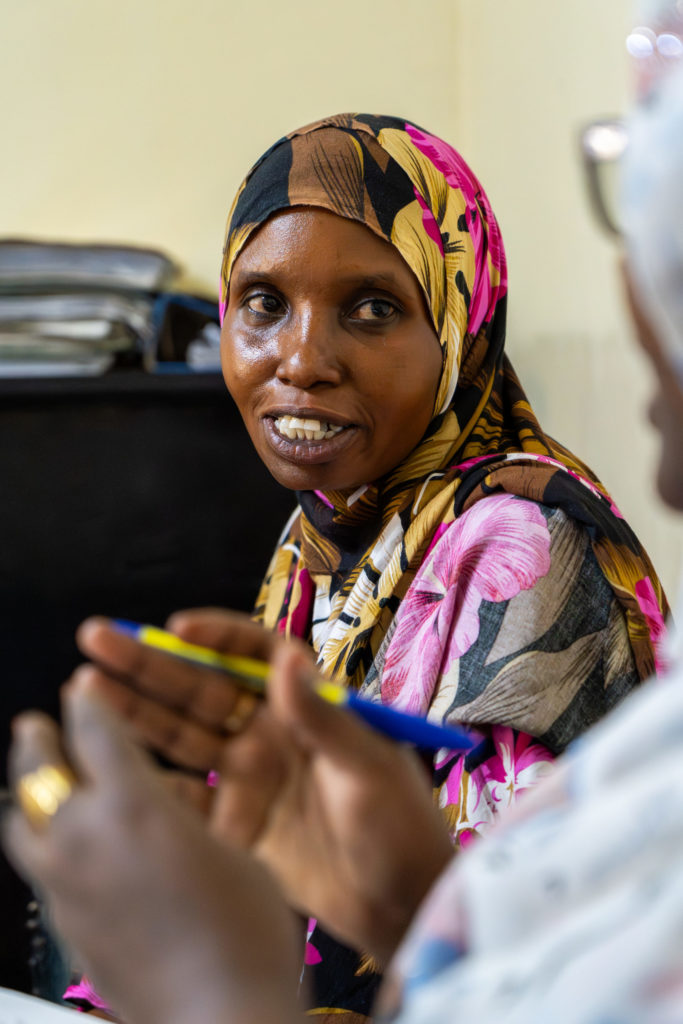
Inclusive practice and context sensitivity were also evident in SGA Security’s approach. The company demonstrated a clear awareness of the social context in which security operated, including who the key stakeholders were and how to engage them appropriately. Security officers described adapting their interactions based on context, emphasising respect, patience and appropriate communication.
This approach also incorporated gender responsiveness and inclusion, ensuring the participation of women, youth and other groups in both the security workforce and community engagement structures. While community security structures were initially male-dominated, advocacy from civil society contributed to increased representation of women in both security roles and broader community-led initiatives. As one civil society representative noted: “The committees were revised to become more gender inclusive”.[xlv]
This inclusivity strengthened legitimacy across different community groups and improved communication with those who might otherwise feel excluded. During decommissioning, it also helped ensure that engagement remained accessible, interactions were handled sensitively and the continued security presence was perceived as less intimidating.
Integrated and system-based security management approach
A final, overarching success factor of SGA Security’s approach was that security was not implemented as a standalone function, but as part of a broader, integrated system linked to community engagement and site operations. Security teams worked closely with other actors on site, including Social Security Guards and community engagement teams. This meant that security-related issues were not handled in isolation but addressed through established community channels where appropriate. At the same time, SGA security officers maintained direct day-to-day interaction with community members. This combination of direct engagement and coordination with community-facing functions allowed security to operate in a more informed and responsive way. Information could be shared quickly, concerns could be addressed through the most appropriate (least volatile) channel, and tensions could be managed before escalating.
During decommissioning, this integrated approach became particularly important. As employment declined and community sensitivities increased, coordination between security, community teams and local actors helped maintain consistency in messaging, manage expectations and reduce the risk of misunderstandings or conflict.
Lessons learned and recommendations
This case study makes a clear point: responsible security is not just about compliance or ethics – it is a practical approach that helps companies manage risk, maintain stability and protect relationships when it matters most. At Kwale, SGA Security’s approach contributed to a controlled, orderly and human rights-responsive decommissioning process, even as jobs declined and uncertainty increased across surrounding communities.
A central lesson is that workforce transition is not a standalone HR issue, but a core component of responsible mine closure. How employees exit shapes how communities experience closure. At Kwale, early and transparent communication, combined with structured financial and emotional support, gave security officers time and confidence to plan their next steps. Many used their final payments to start small businesses, invest in farming or support household needs. This helped ease the immediate economic shock and contributed to stabilising the wider community during a period of local economic change.
This is where the business case becomes clear. Supporting employees through transition is not only about duty of care: it reduces the risk of frustration, disengagement and insecurity that can arise when livelihoods are lost. In doing so, it helps prevent operational disruptions and reputational damage.
The case also highlights the value of locally embedded and community-informed security. Because SGA’s security officers were part of the communities they served, and because trusted engagement structures were already in place, concerns could be addressed early and expectations managed. This enabled preventative, rather than reactive, security at a time when risks could easily have intensified.
For other mining companies and private security providers, this case highlights how responsible security practices can be best applied during mine closure. Several key recommendations emerge:
- Start workforce transition early and treat it as both an HR and security issue: Security personnel are often deeply embedded in local communities. How they exit matters. If the process is unclear or poorly managed, it can lead to stress and a sense of unfairness among workers and their households. In contexts where many livelihoods are affected by mine closure, this can contribute to wider community tensions and make the operating environment more fragile during decommissioning. Planning early gives people time to prepare and supports a more stable and predictable transition.
- Be transparent, even when the message is difficult: Uncertainty creates rumours and rumours create tension. Clear, honest and repeated communication, both in groups and one-on-one, helps people understand what is happening and why. This is essential for maintaining trust during a period where expectations are shifting and livelihoods are at stake.
- Support people beyond the job, not just through the contract: Practical support, such as financial planning, counselling and guidance on alternative livelihoods, helps people move forward. When security personnel are supported to transition into new income-generating activities, this also reduces pressure on surrounding communities and contributes to a more stable post-closure environment.
- Keep security anchored in dialogue: During decommissioning, tensions often increase as jobs decline, the local economy changes and uncertainty grows. Security teams should not operate in isolation or rely only on enforcement. Embedding them within community engagement structures allows such issues to be addressed through dialogue first, which is often more effective and less likely to escalate, particularly in contexts where trust in security may be limited. Having these structures in place and functioning well before closure is critical, as it enables more effective engagement and problem-solving when pressures increase.
- Recognise that trust built during operations determines what happens at closure: It is extremely difficult to build positive relationships with communities at the point of closure if those relationships were weak or conflictual during operations. Responsible, rights-respecting security practices need to be in place from the start.
- Take rights-respecting and gender-responsive security seriously: Decommissioning affects different groups in different ways. Women, youth and more vulnerable community members may experience the impacts of job loss and reduced income differently. Security approaches that are respectful, inclusive and aware of these dynamics are better able to maintain legitimacy and avoid unintentionally increasing tensions or exclusion.
- Strengthen coordination with public security and local authorities: As risks such as theft or unauthorised access may increase during decommissioning, close coordination with public security actors and local authorities is essential. Clear roles, communication channels and escalation pathways help ensure that incidents are addressed effectively and proportionately.
Conclusion
The decommissioning of Base Titanium’s Kwale Operations demonstrates that responsible security can play a central role in managing complex transitions at the end of a mine’s lifecycle. SGA Security’s approach combined structured planning with a people-centred implementation, ensuring that workforce reduction was handled in a transparent, gradual and supportive manner.
The experience of security officers shows that clear communication, financial and emotional support, and opportunities for continued employment contributed to a transition that was experienced as predictable and manageable, rather than abrupt or disruptive. At the same time, SGA Security’s established relationships with communities and other external stakeholders helped maintain stability in a context where job losses and reduced economic activity could otherwise have led to tensions.
This case highlights a broader lesson for the mining sector: responsible security is not limited to managing risks during active operations but is equally critical during closure and post-closure phases. By maintaining responsible security in the later mine lifecycle stages, companies are able to leave a more positive legacy.
The Kwale case also provides a practical example of how responsible security contributes to a just transition. By supporting workers through closure, maintaining community trust and managing security in a rights-respecting and locally embedded way, SGA Security helped reduce the social disruption often associated with mine closure and supported a more stable and equitable transition for affected communities. It shows that investing in people and transparent processes is not only the right approach, but also a sound business decision that supports stability.
Sources
[i] Base Resources (2023). Sustainability Report 2023. Available at: https://s3.ap-southeast-2.amazonaws.com/assets.baseresources.com.au/wp-content/uploads/2023/11/23132624/2023-Base-Resources-Sustainability-Report-FINAL.pdf
[ii] ICoCA (2025). ICoCA Responsible Security Awards 2025.
[iii] Interview with SGA supervisor, March 2026
[iv] Base Resources, 2023
[v] Base Resources, 2023
[vi] Base Resources, 2023
[vii] Okello, N. and D. Vickers (2024). « Effective rehabilitation and closure planning: lessons from Base Titanium mine, Kwale, Kenya. » Mine Closure 2024: Proceedings of the 17th International Conference on Mine Closure. Australian Centre for Geomechanics, 2024.
[viii] ICoCA, 2025
[ix] Base Resources, 2023
[x] ICoCA, 2025
[xi] ICoCA, 2025
[xii] Interview with SGA current security officer, March 2026
[xiii] Interview with SGA former security officer, March 2026
[xiv] Interview with SGA former security officer, March 2026
[xv] Interview with SGA current security officer, March 2026
[xvi] Interview with SGA former security officer, March 2026
[xvii] Interview with SGA former security officer, March 2026
[xviii] Interview with SGA current security officer, March 2026
[xix] Interview with SGA former security officer, March 2026
[xx] Interview with SGA current security officer, March 2026
[xxi] Interview with SGA former security officer, March 2026
[xxii] Interview with SGA current security officer, March 2026
[xxiii] Interview with SGA former security officer, March 2026
[xxiv] Interview with SGA supervisor, March 2026
[xxv] Interview with SGA former security officer, March 2026
[xxvi] Interview with SGA former security officer, March 2026
[xxvii] Interview with SGA former security officer, March 2026
[xxviii] Interview with SGA current security officer, March 2026
[xxix] Interview with SGA current security officer, March 2026
[xxx] Interview with SGA supervisor, March 2026
[xxxi] Interview with SGA current security officer, March 2026
[xxxii] Interview with SGA current security officer, March 2026
[xxxiii] Interview with SGA former security officer, March 2026
[xxxiv] Interview with SGA former security officer, March 2026
[xxxvi] Interview with SGA current security officer, March 2026
[xxxvii] Interview with SGA supervisor, March 2026
[xxxviii] Interview with SGA current security officer, March 2026
[xxxix] Interview with women leader, March 2026
[xl] Interview with village elder, March 2026
[xli] Interview with SGA current security officer, March 2026
[xlii] Interview with public security officer, March 2026
[xliii] Interview with public security officer, March 2026
[xliv] Interview with village elder, March 2026
[xlv] Interview with a CSO representative, March 2026
Clause de non-responsabilité
Conformément à l’avis de non-responsabilité figurant sur la page d’accueil, ni l’Association Internationale du Code de Conduite ni les auteurs ne peuvent être identifiés avec les opinions exprimées dans le texte ou les sources incluses dans « Plaider en Faveur d’une Sécurité Responsable : Carte de Cas du Code de Conduite International ».